
 Warehouse solutions Racking and Shelving Pallet Racking Pallet Shuttle Racking System
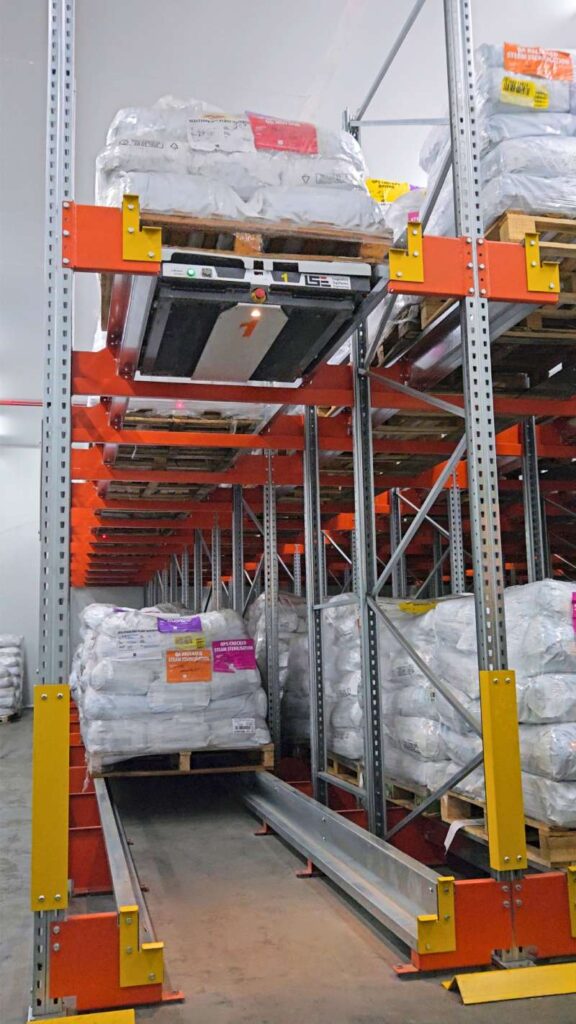
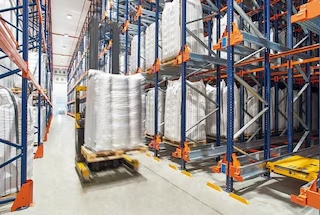
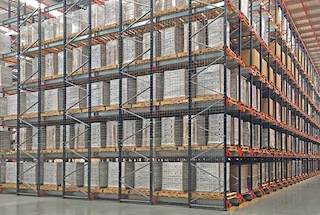
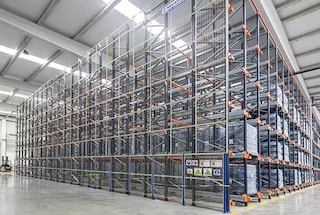
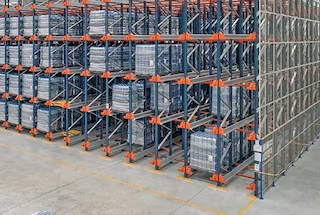
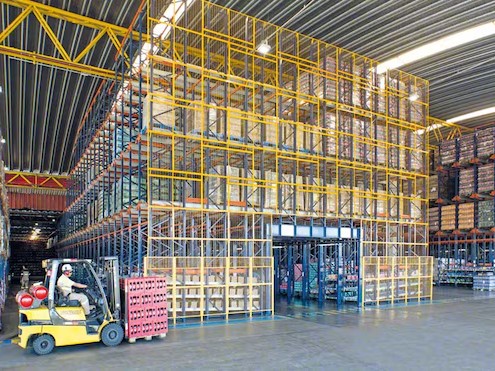
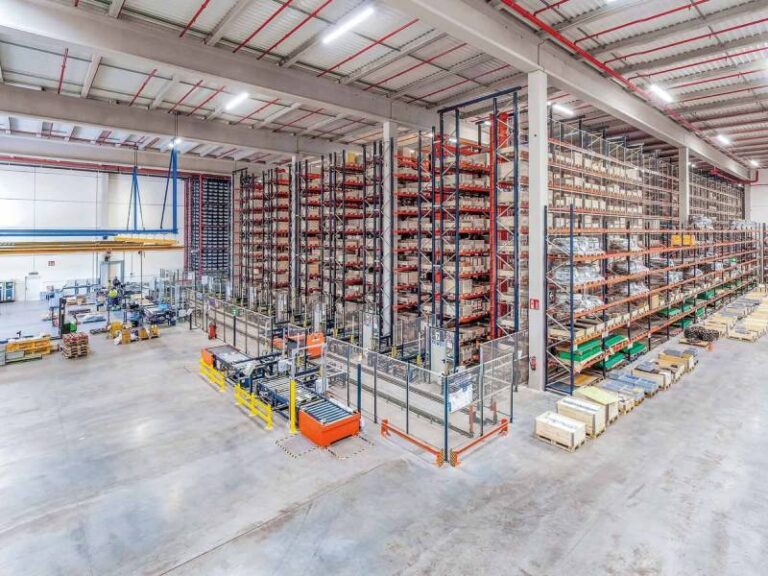
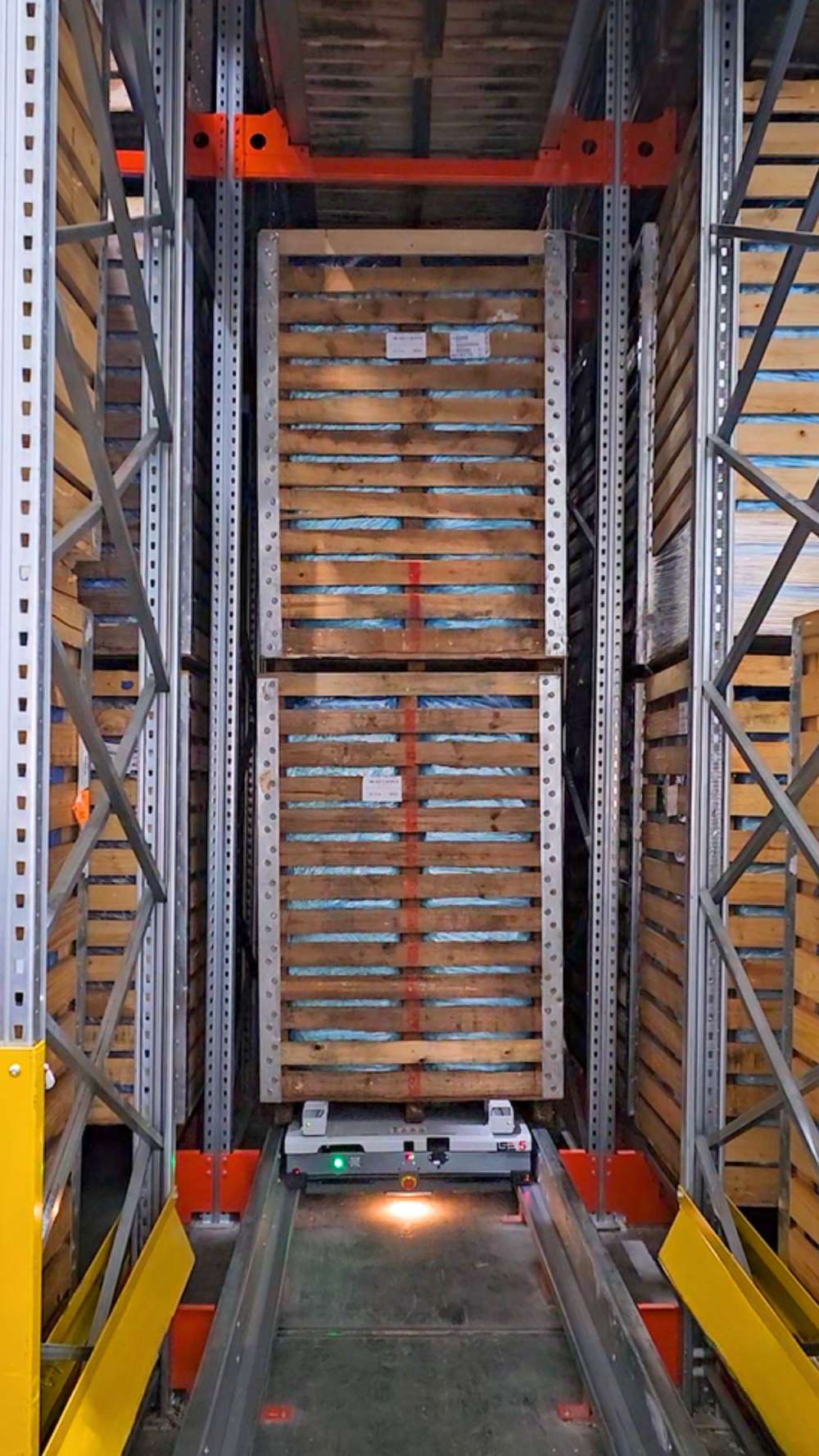
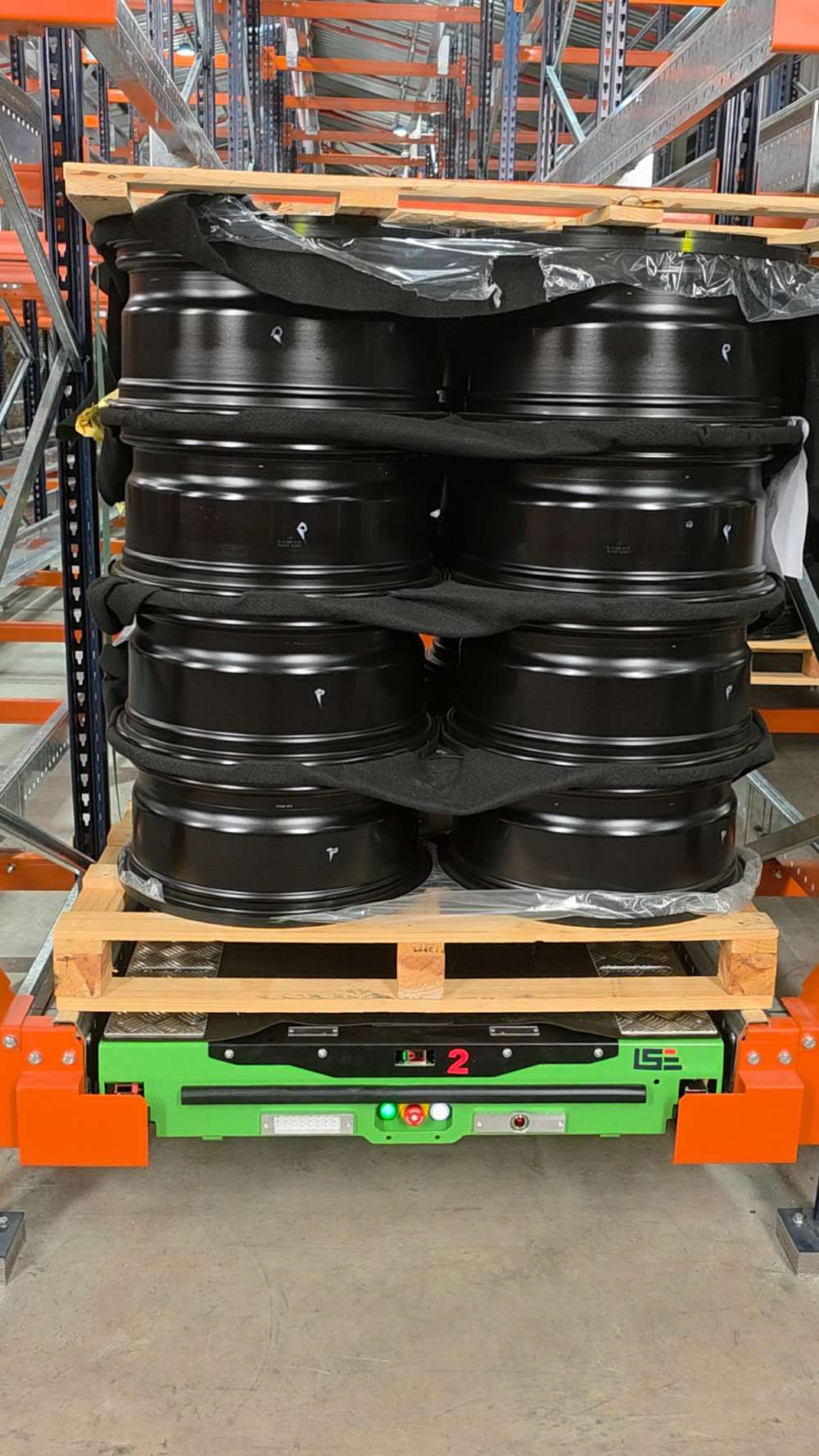
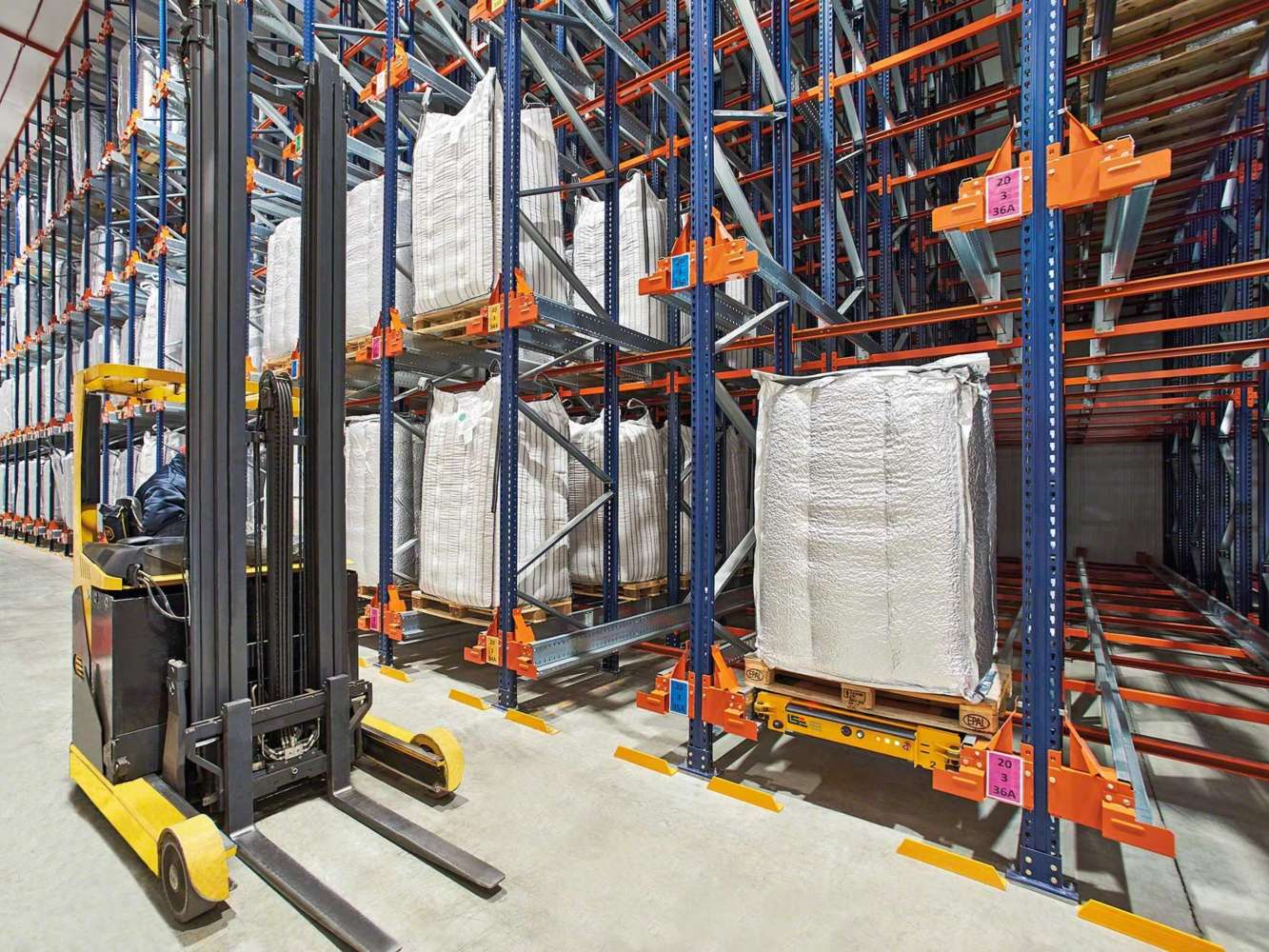
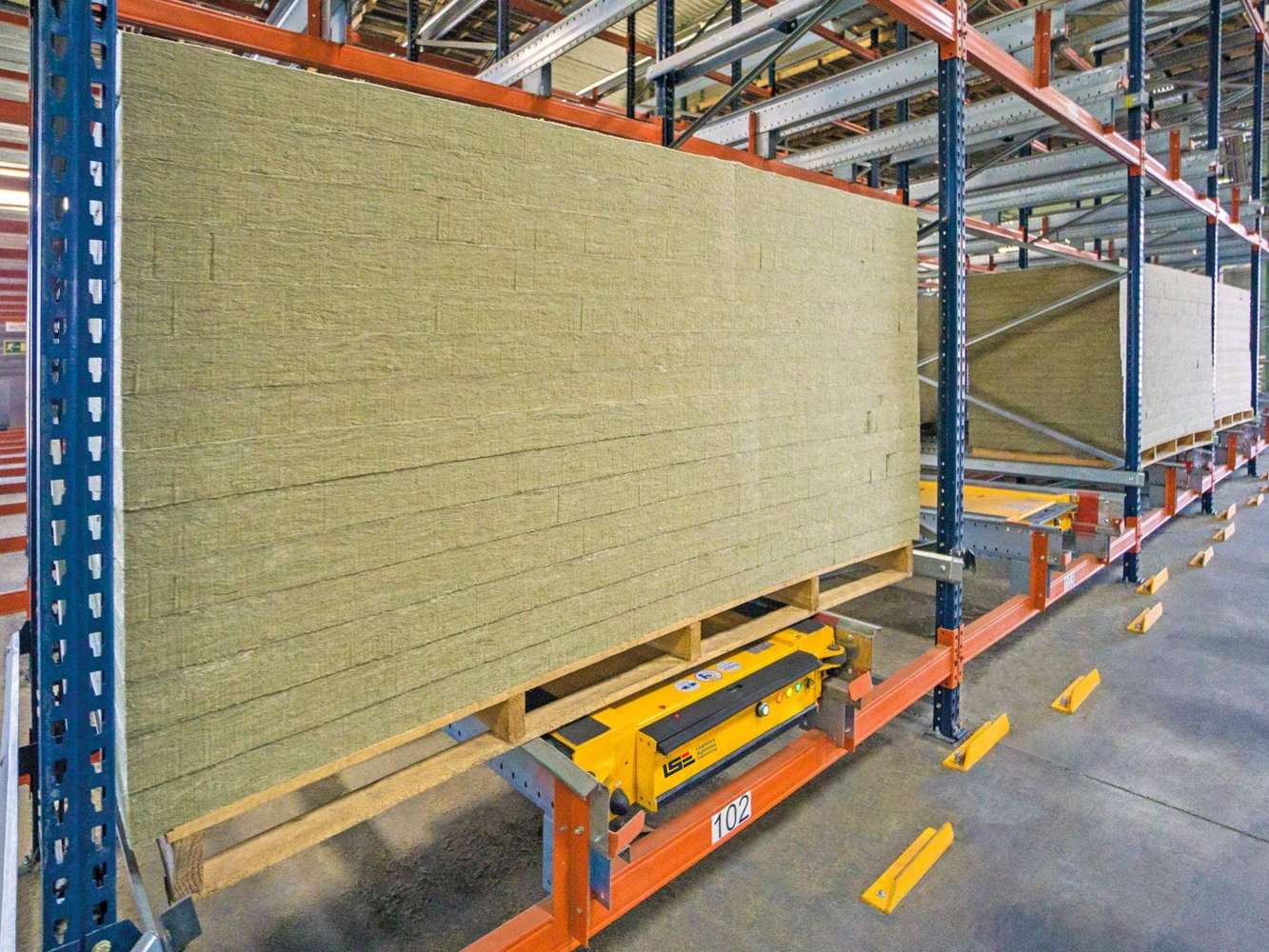
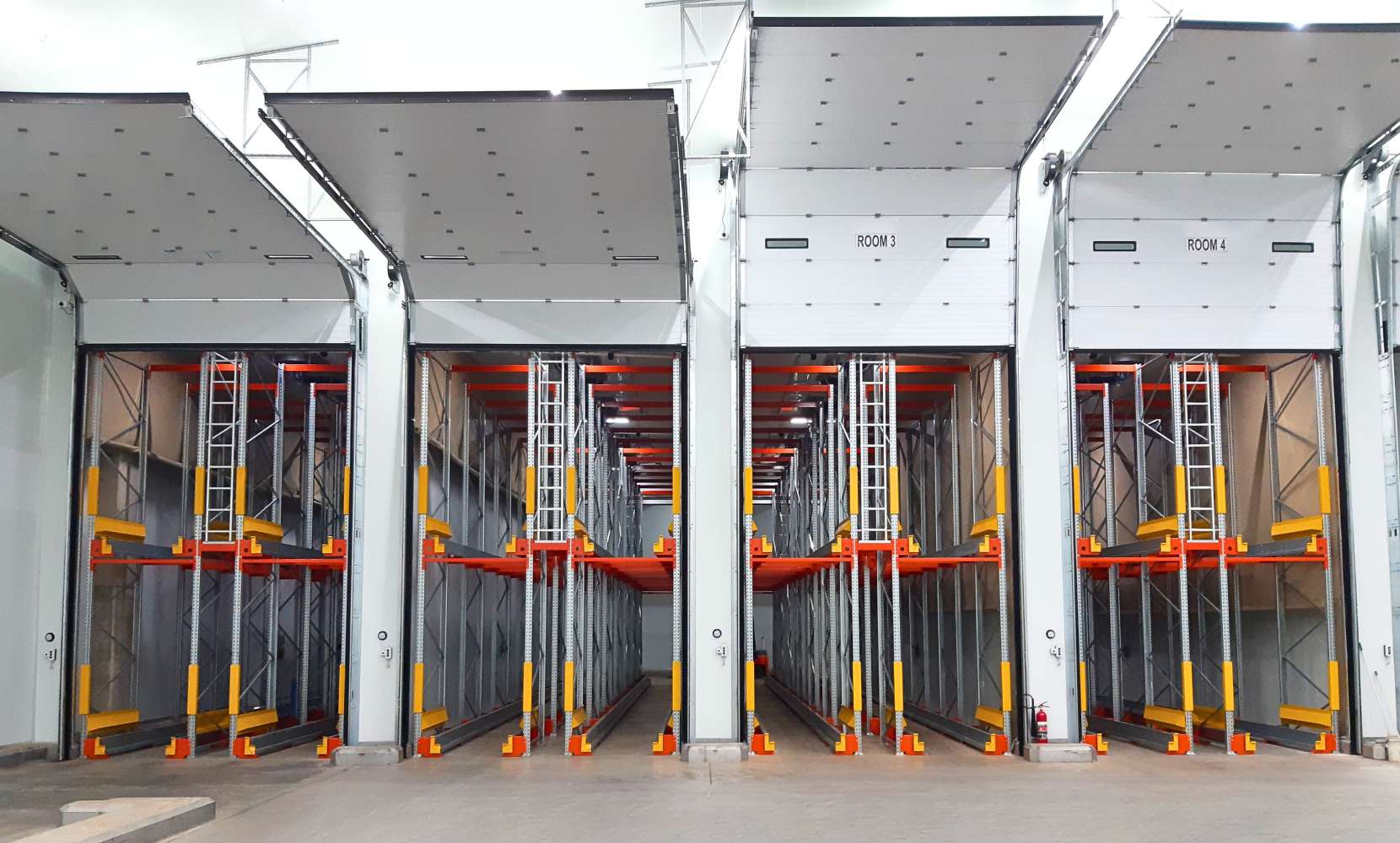
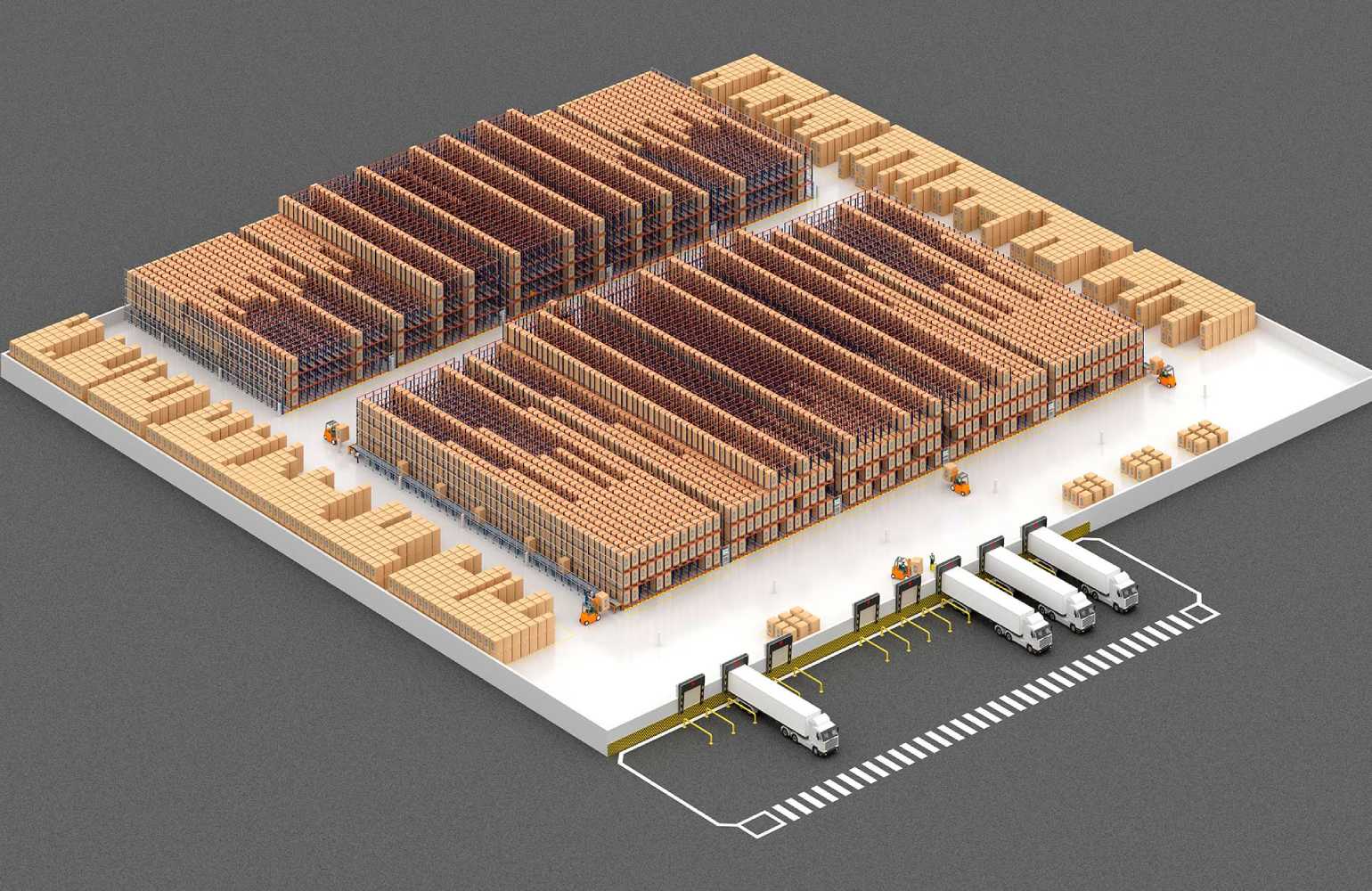
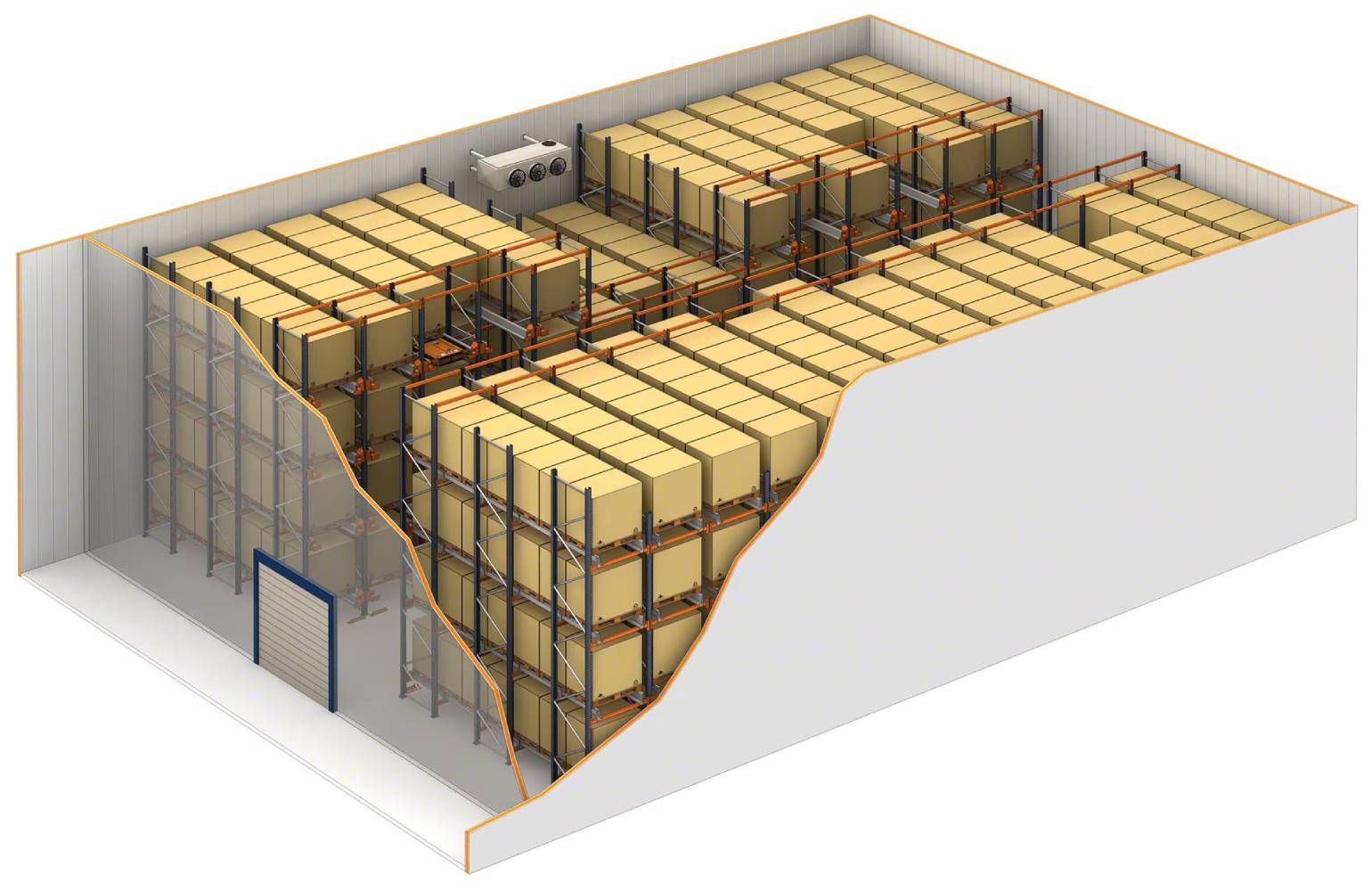
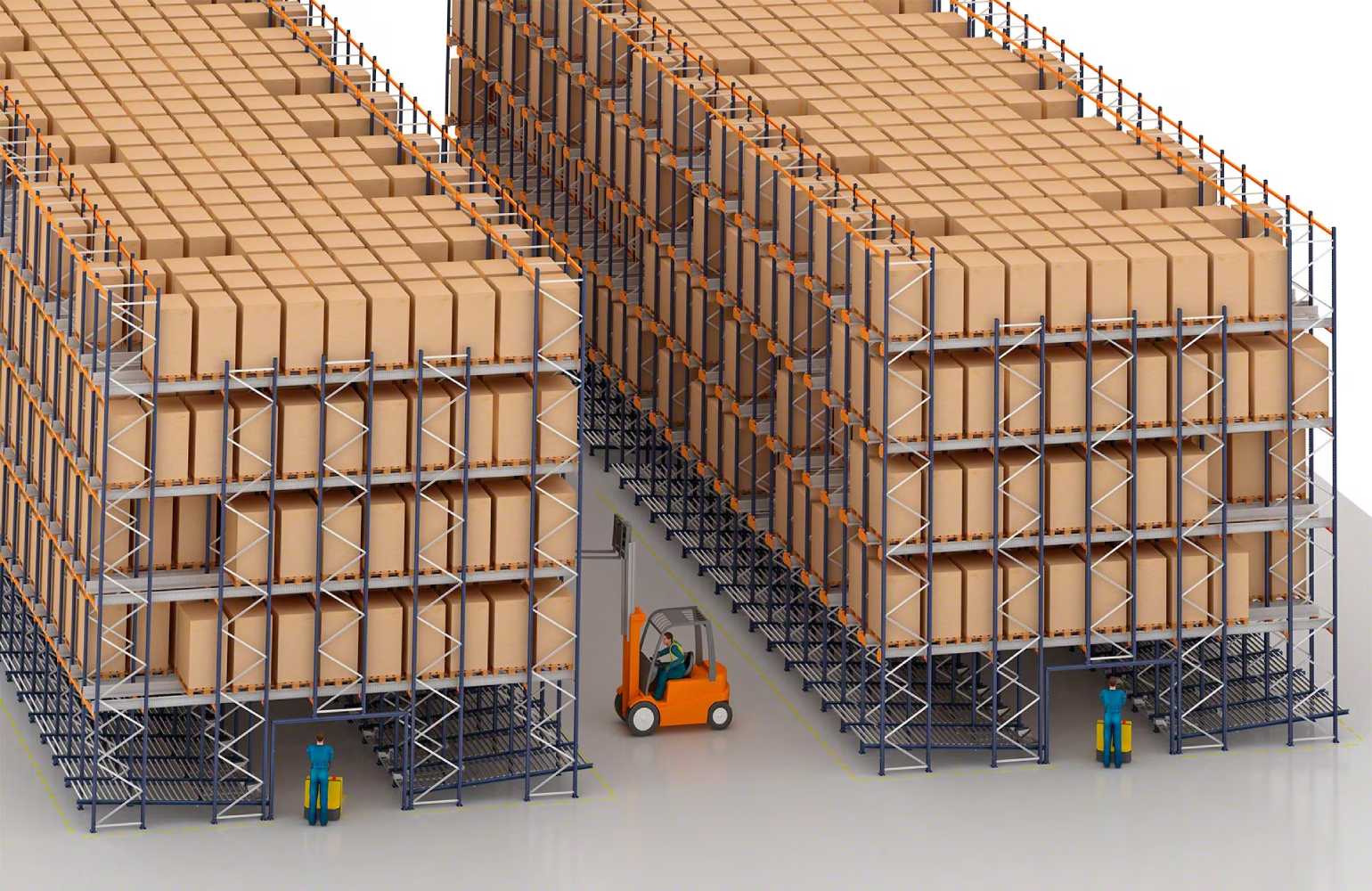
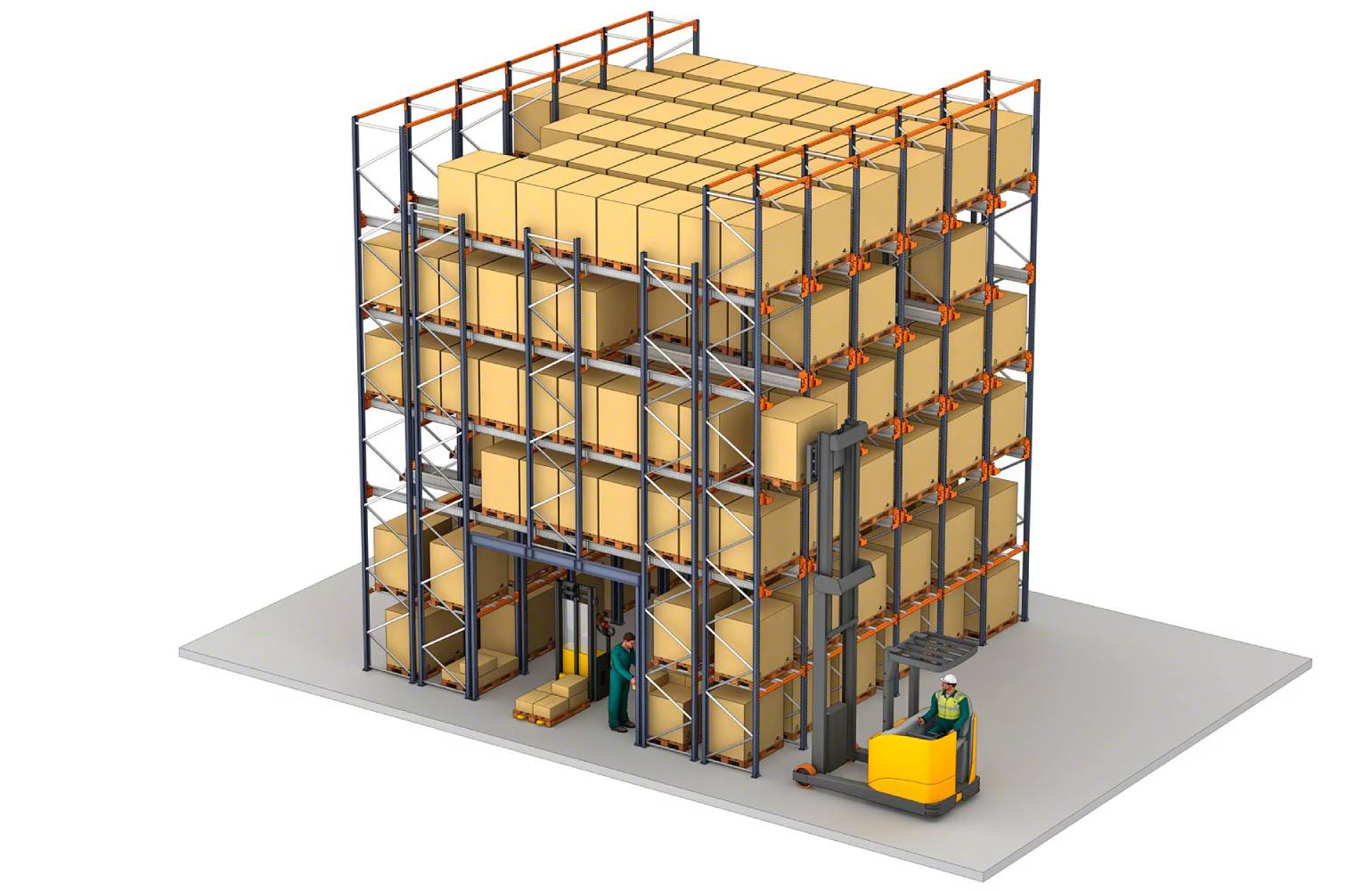
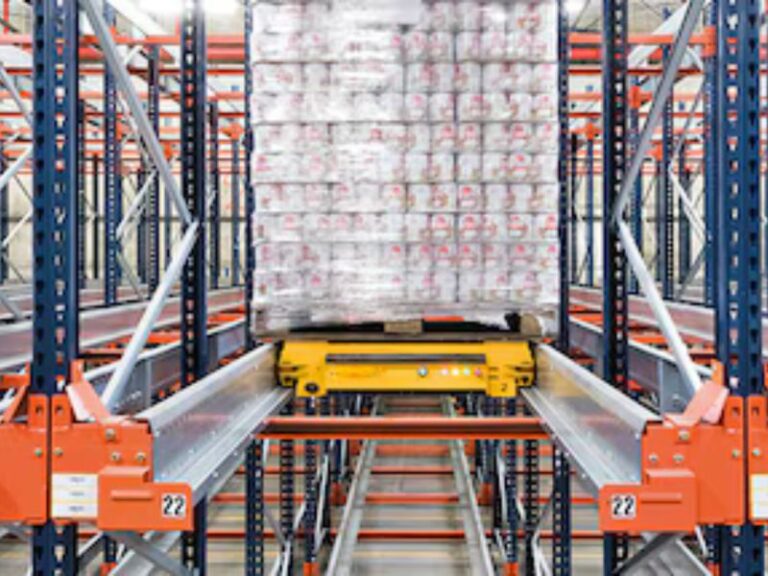
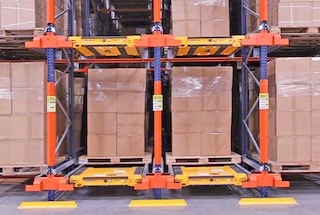
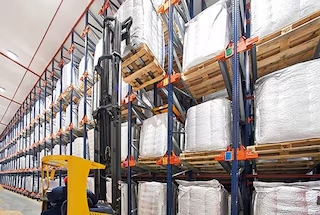
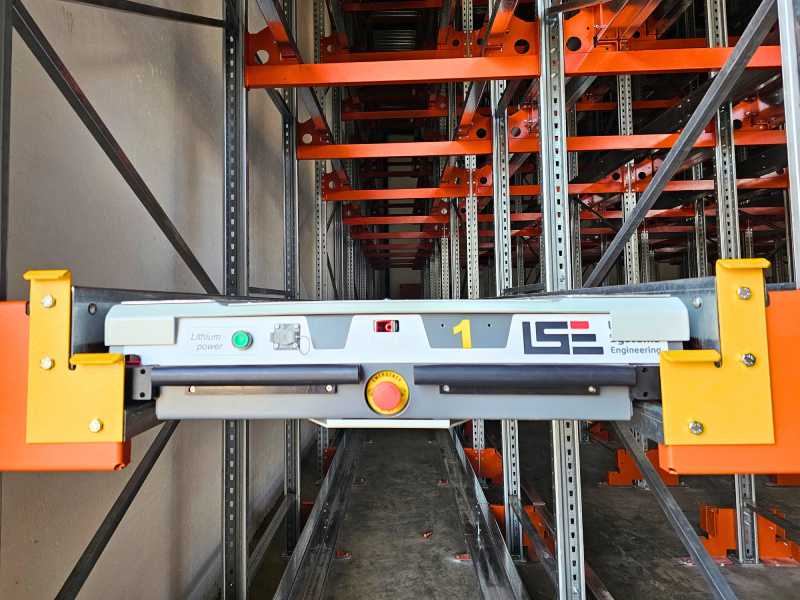
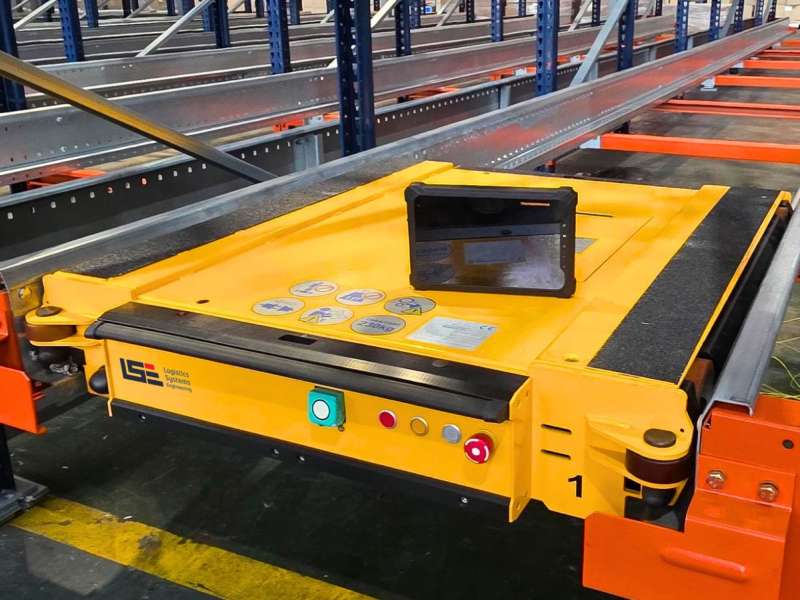
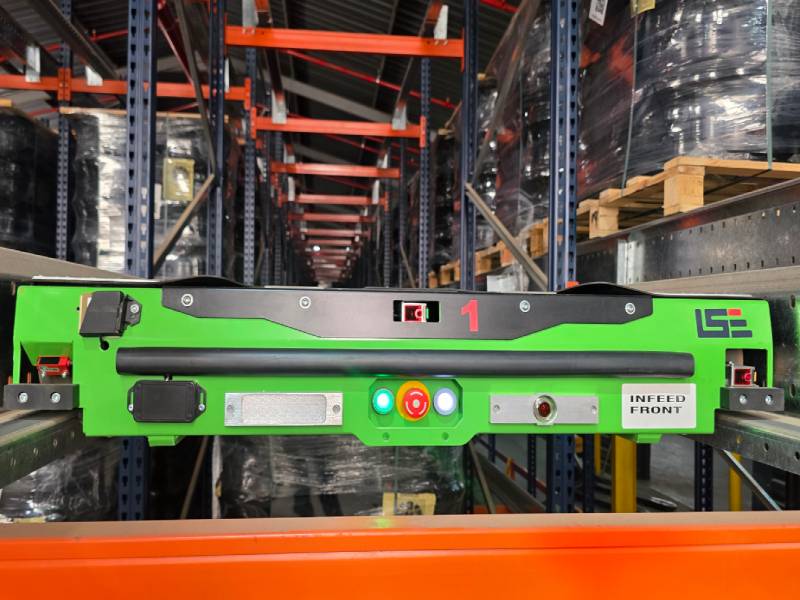
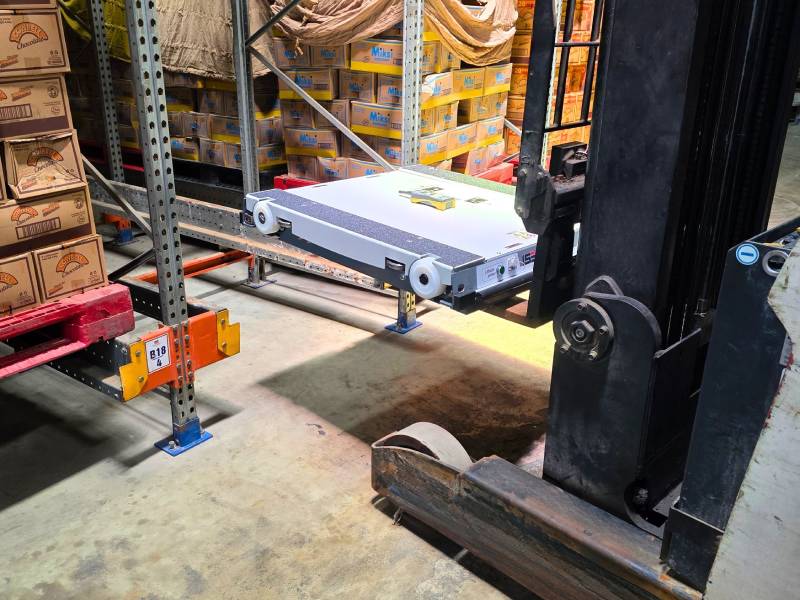
Despite challenging site conditions, the installation was completed efficiently and to a high standard. The Pallet Shuttle System has integrated seamlessly into our cold room operation, and the technical expertise and commitment to quality demonstrated throughout the project gave us confidence in the final solution.

Our freezer storage has been completely transformed with the introduction of LSE’s high-density Pallet Shuttle solution. From design and installation to commissioning, the project was managed professionally and completed to a high standard. The new system has significantly improved our storage capacity, product flow, and operational efficiency while making the best use of our available floor space.

LSE’s Pallet Shuttle System has helped us make much better use of our refrigerated storage space while improving the overall flow of our operation. The installation was handled professionally and efficiently, and the system gives us the flexibility we need as our cold chain requirements continue to grow.

The solution was implemented efficiently and aligned well with our operational requirements, with minimal disruption to our day-to-day activities. The Pallet Shuttle System has improved our warehouse storage capacity and stock flow, and the project was managed professionally from start to finish.

From the initial design through installation and commissioning, LSE demonstrated exceptional professionalism and technical expertise. The completed Pallet Shuttle Racking System has improved our warehouse efficiency, increased storage capacity and provided a reliable solution that supports our day-to-day operations.

Integrating the Pallet Shuttle into our existing warehouse operation was a smooth and efficient process. The equipment was delivered on schedule, the operator training was practical and comprehensive, and the entire project was managed efficiently from start to finish.

LSE supplied a high-quality stainless steel RF Pallet Shuttle solution together with comprehensive operator training, allowing our team to integrate the system into our cold storage operation quickly and confidently. The project was delivered professionally from start to finish.

Our Pallet Shuttle project was delivered professionally from planning through commissioning. Working with APC Storage Solutions, now Logistics Systems Engineering (LSE), gave us confidence that we were partnering with a team experienced in delivering large-scale warehouse automation projects. The system improved storage capacity, streamlined pallet movement, and provided the operational reliability our high-volume consumer goods operation requires.

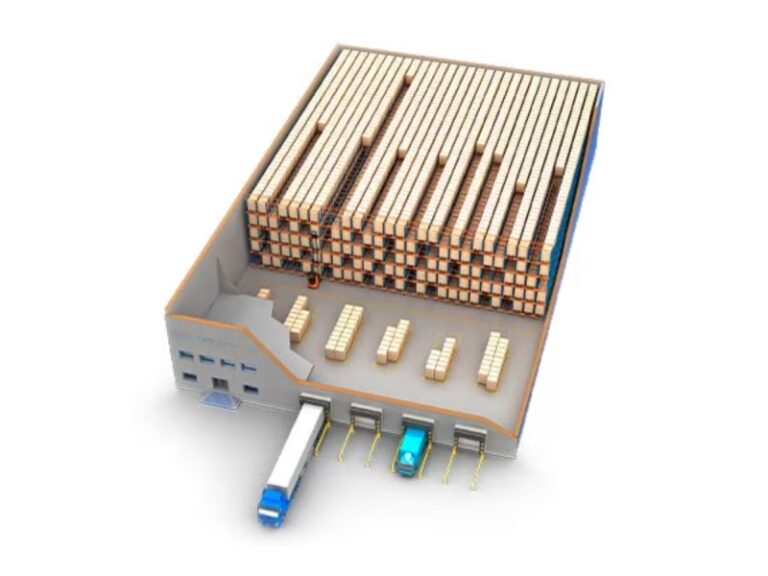
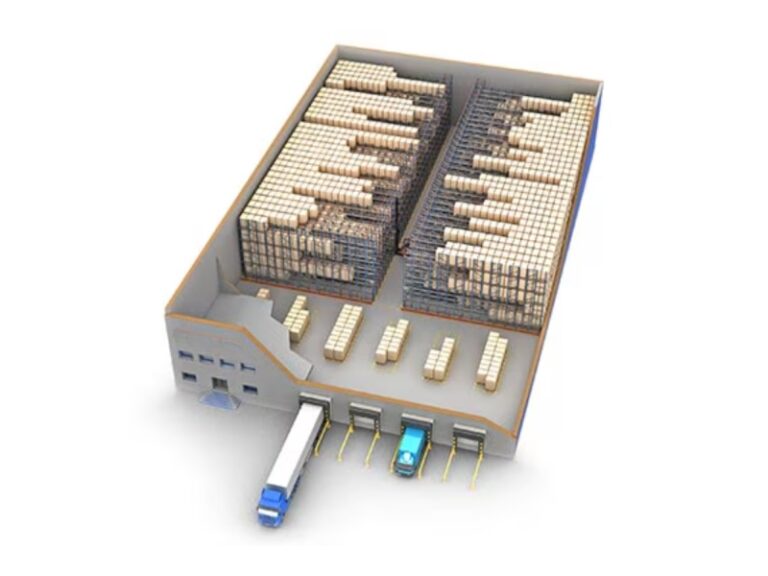
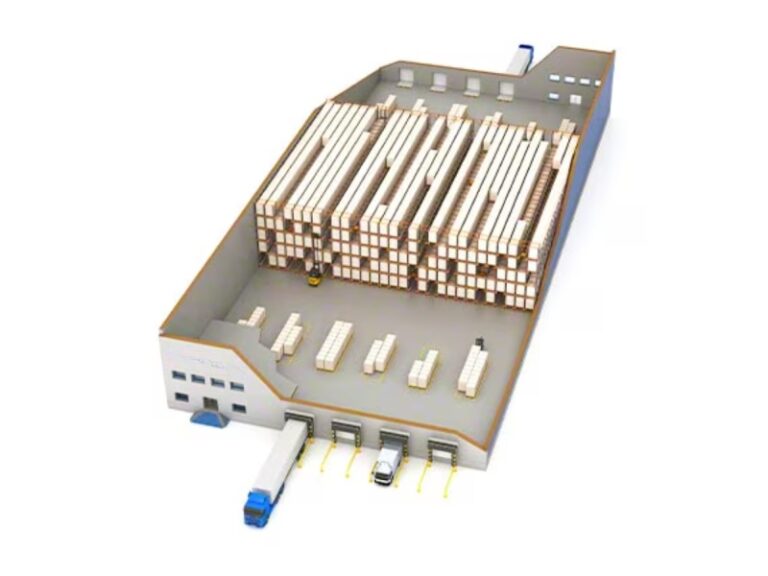
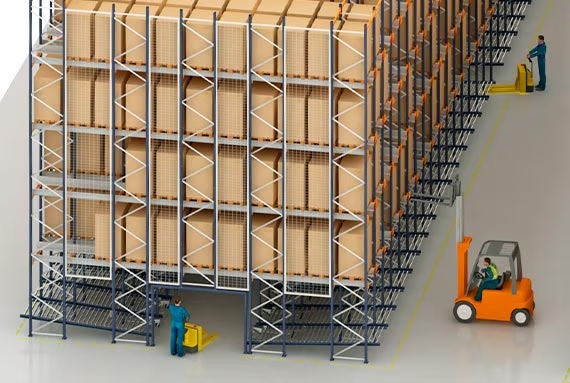
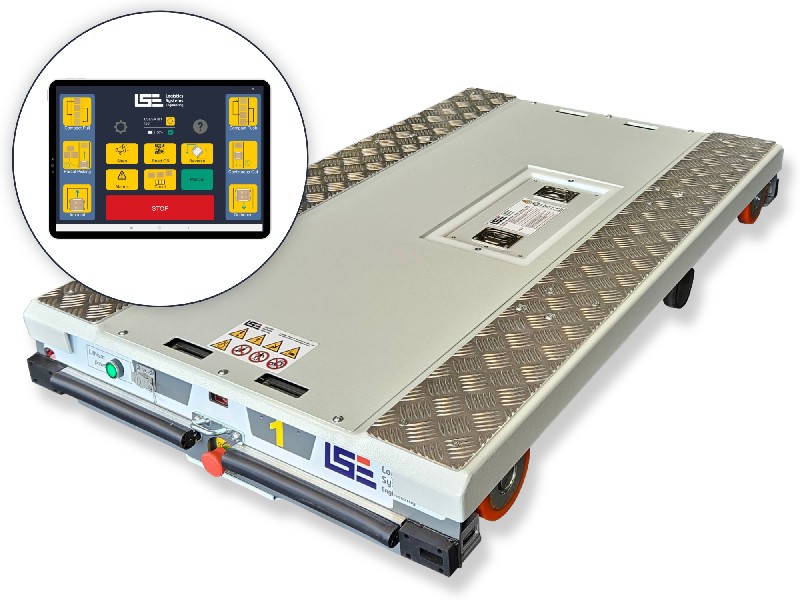
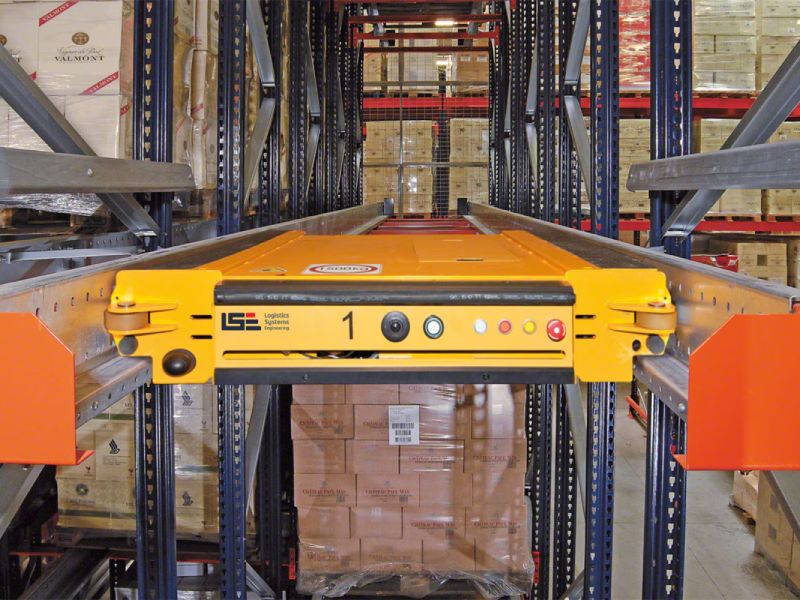
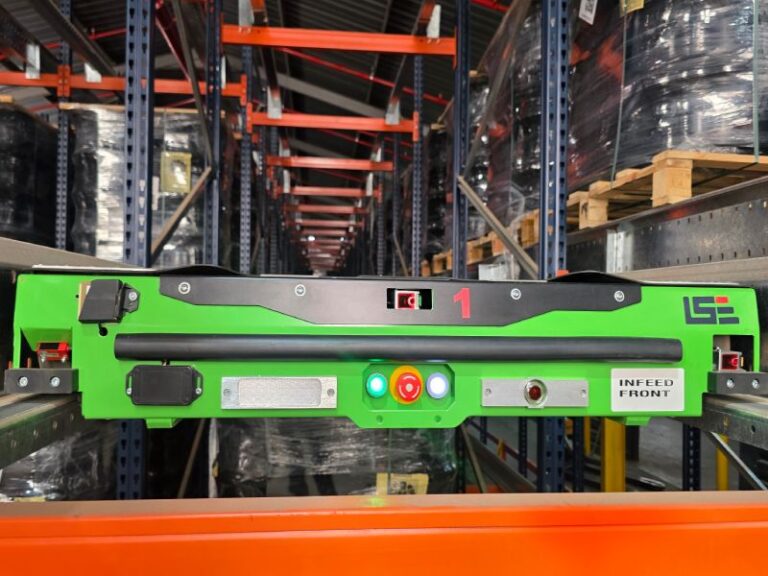
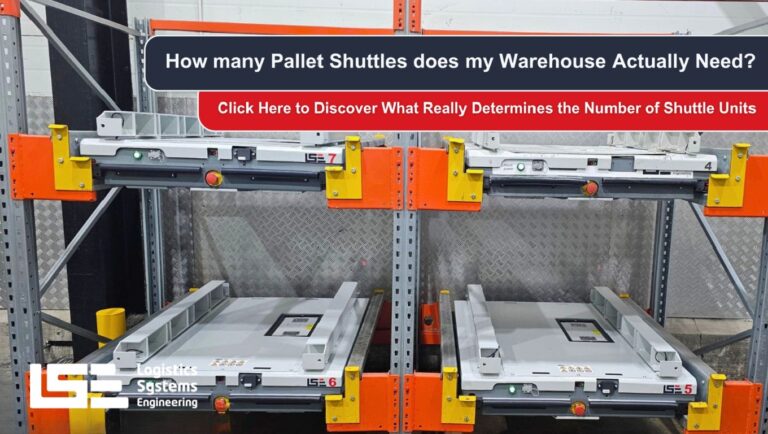
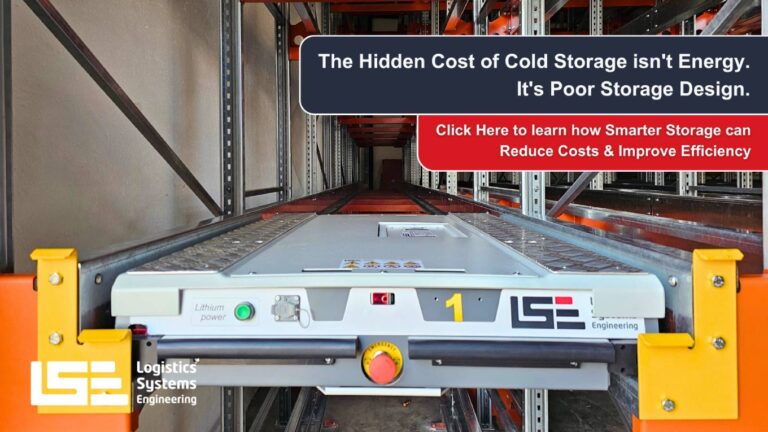
Advanced shuttle technology, intelligent controls, and integrated safety systems designed to maximise performance, reliability, and operational safety.
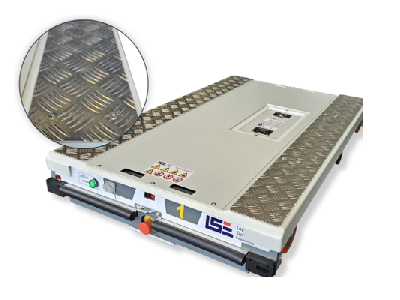
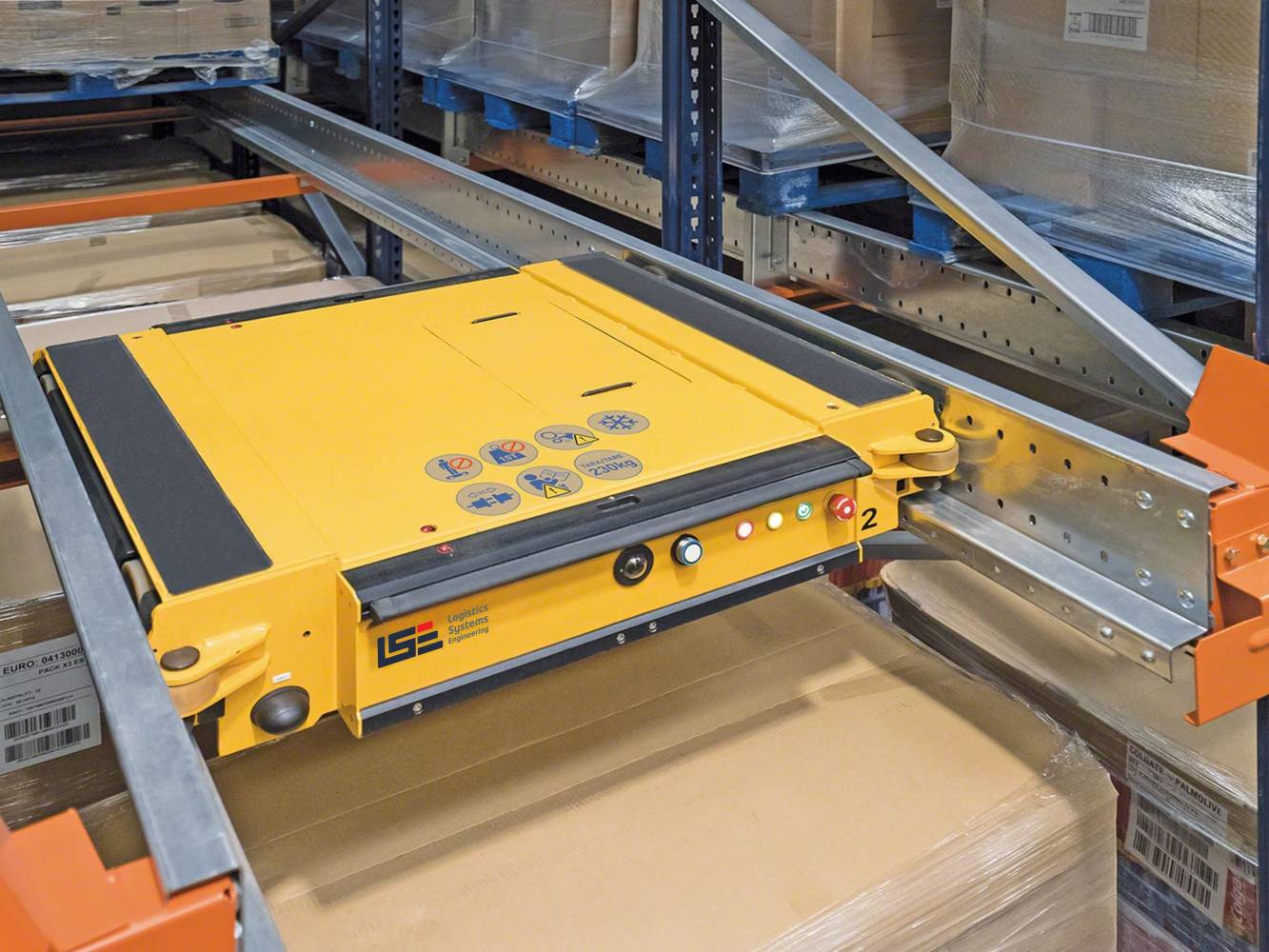
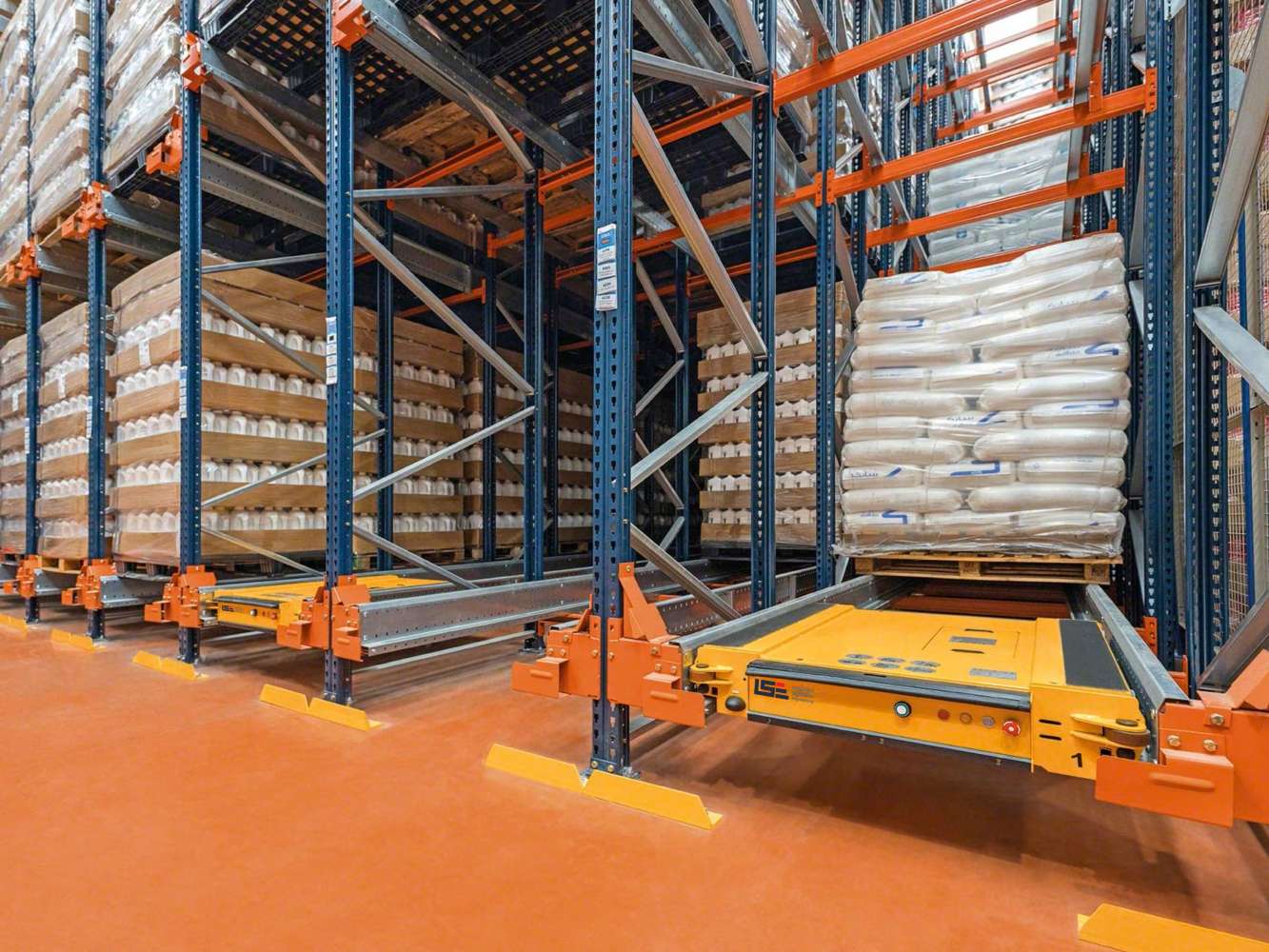
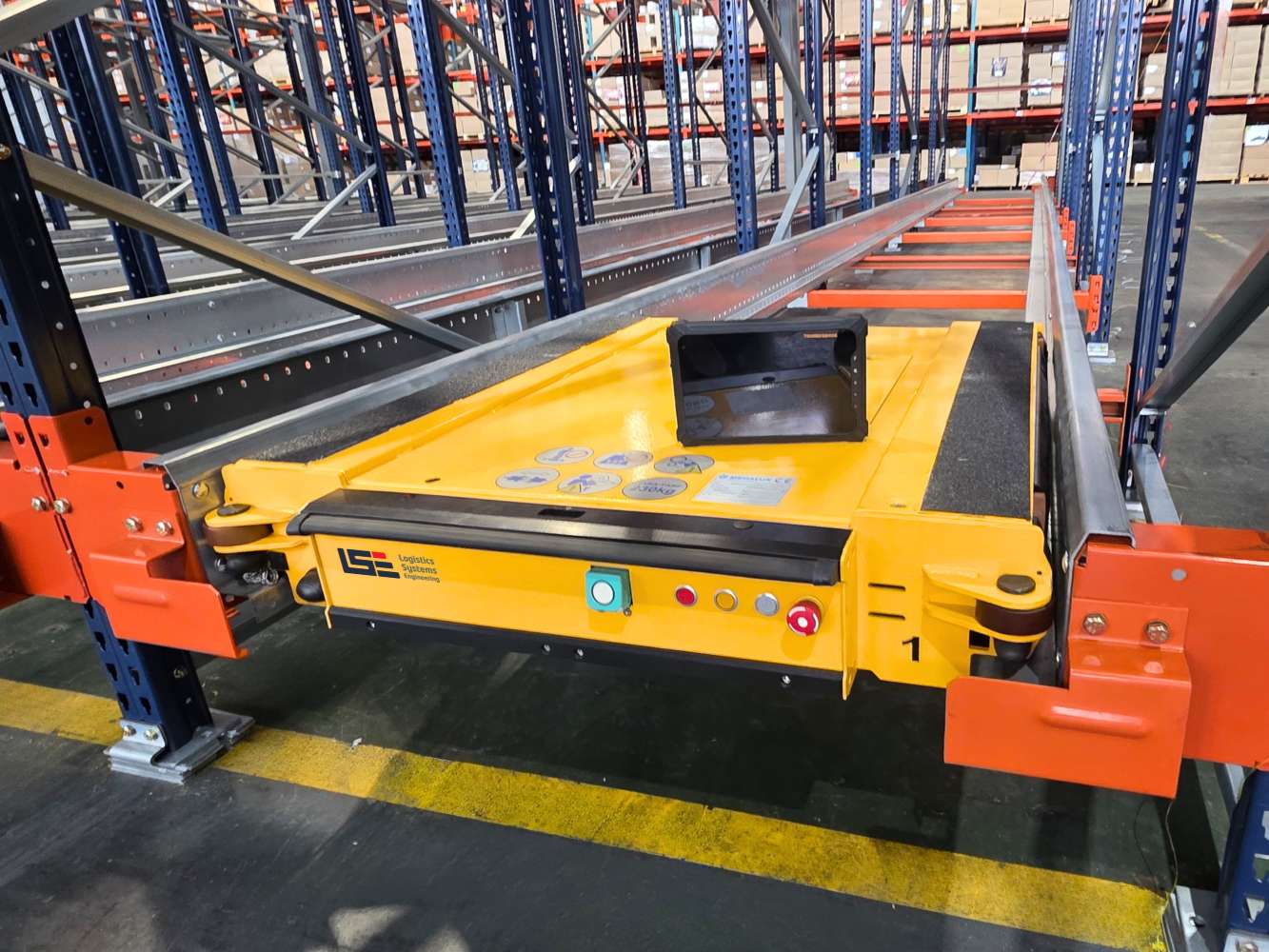
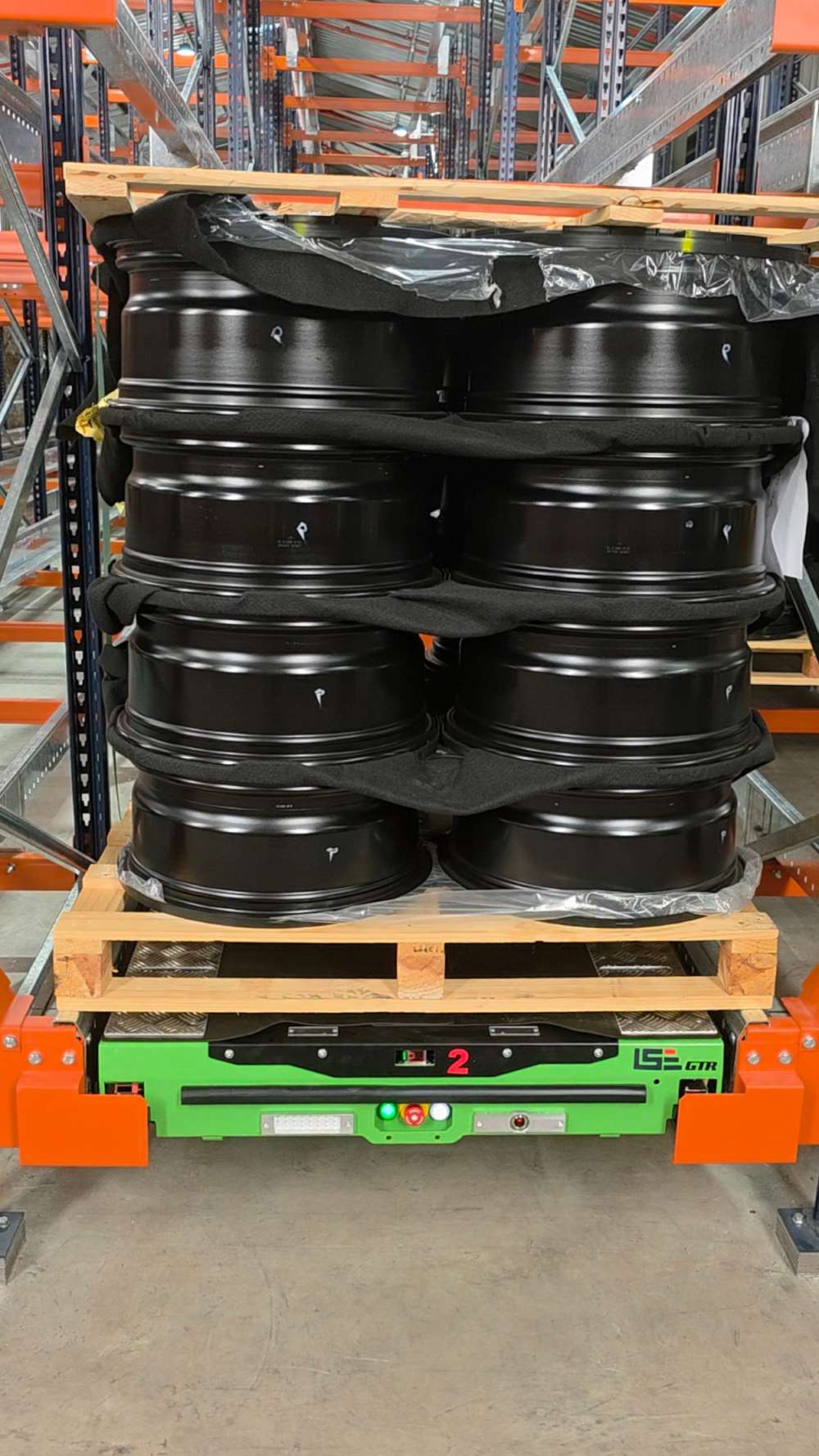
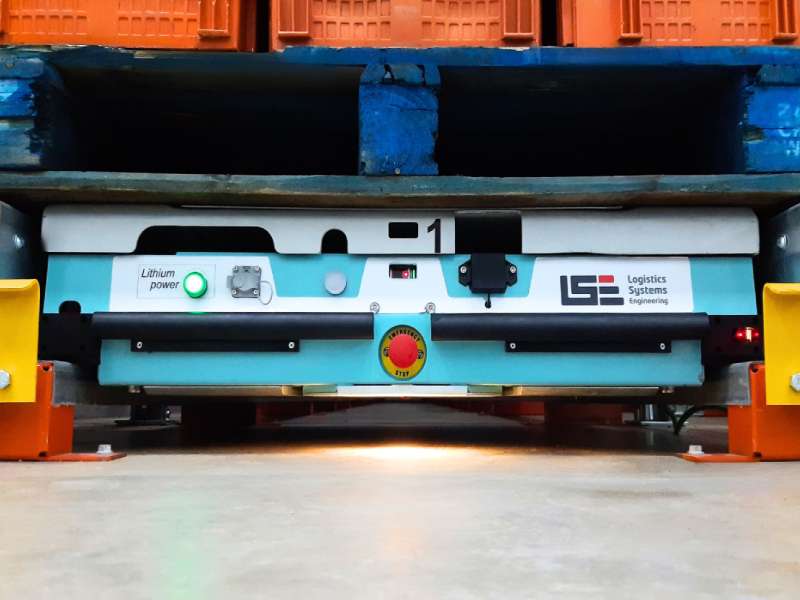
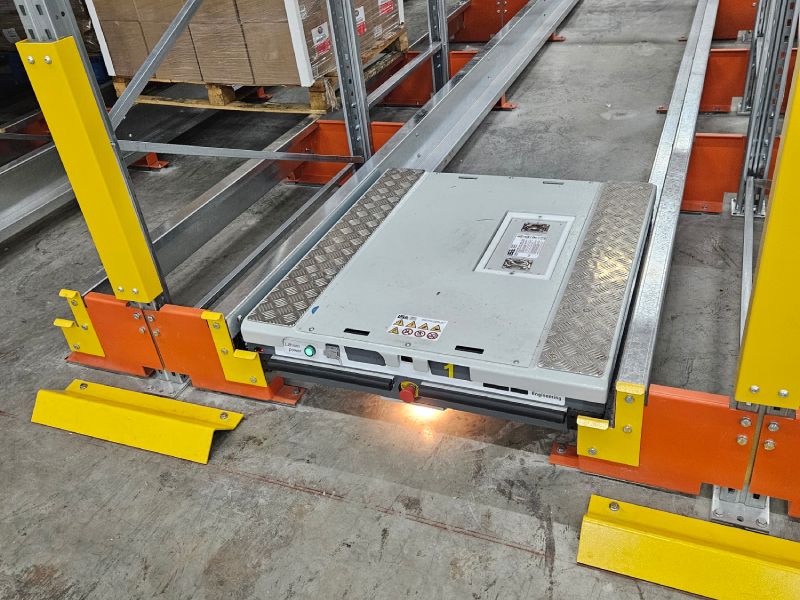
Located on the top surface of the shuttle, the lifting platform raises the pallet for transport through the storage channel. Contact with the pallet is made through lifting pads, while the patented lifting mechanism ensures reliable operation, reduced wear, and long-term durability.
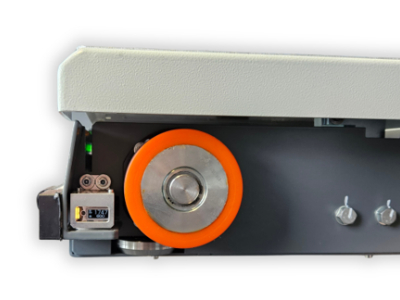
The four main wheels rest on the base of the rails and enable the shuttle to travel throughout the storage channel. Positioned beneath the lifting platform, they are engineered for smooth movement, reliability, and low maintenance.
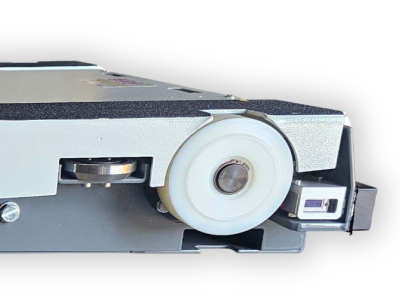
These four smaller wheels make contact with the side of the rail to guide the shuttle in the longitudinal direction, ensuring smooth, precise, and safe movement.
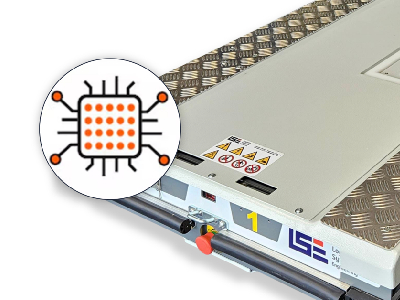
The programmable logic controller (PLC) is the shuttle's main processor. It executes shuttle movements, receives information from sensors, and coordinates all operational functions.
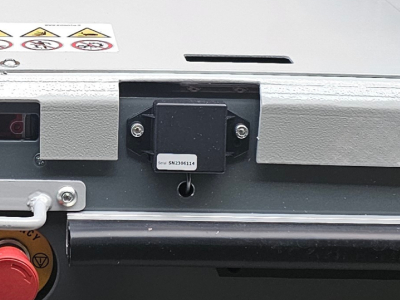
The antenna allows the shuttle to receive instructions via Wi-Fi from the control tablet, hand-held terminal, remote control, or warehouse management system (WMS).
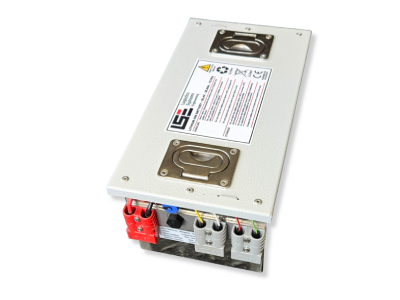
The shuttle operates using lithium-ion batteries that provide up to 10 hours of autonomy, depending on operating temperature and load conditions. The batteries offer rapid charging, extended cycle life, and reliable performance in both ambient and cold-store environments.
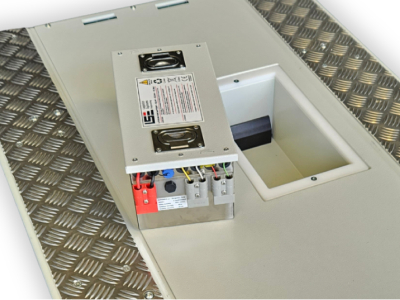
The battery is stored in an easy-access compartment on the top of the shuttle for fast and simple removal. Batteries can be recharged inside the compartment or at an external charging station.
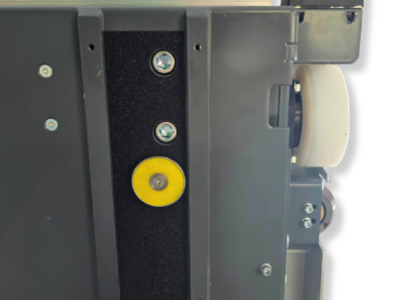
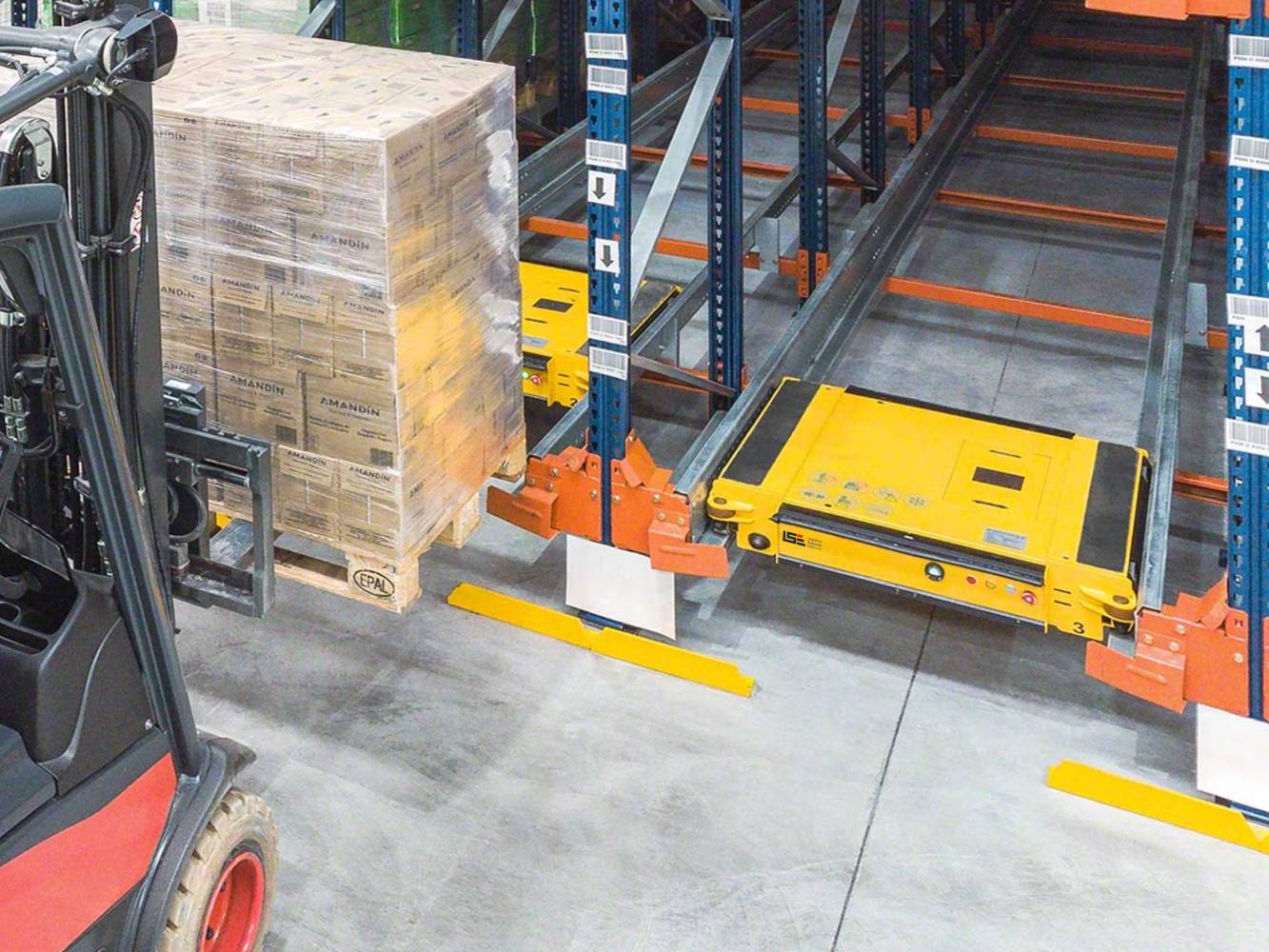
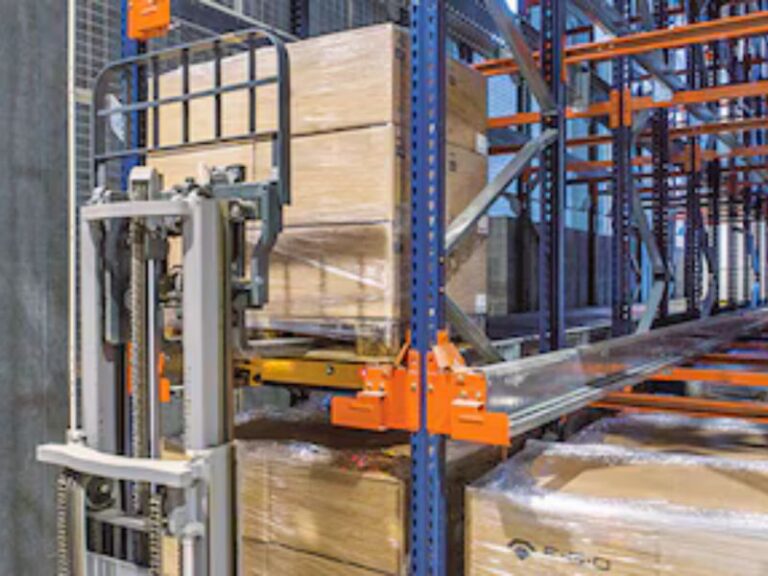
Electromagnets located at the base of the shuttle reinforce its attachment to the forklift forks during handling. Additional anti-fall protection helps prevent movement and improves transport safety.
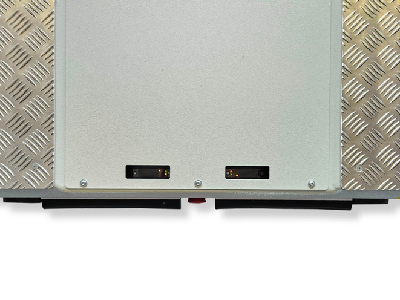
Four vertical laser sensors located on the upper section of the shuttle verify correct pallet positioning before transport, ensuring safe and accurate pallet handling.
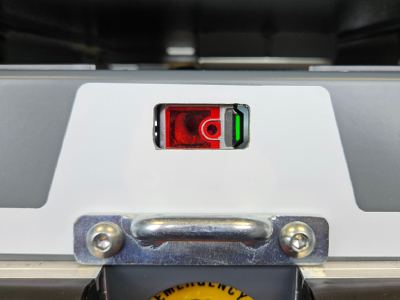
Ultrasonic sensors continuously detect the position of the last pallet deposited in the storage channel, allowing the shuttle to determine the next available storage location.
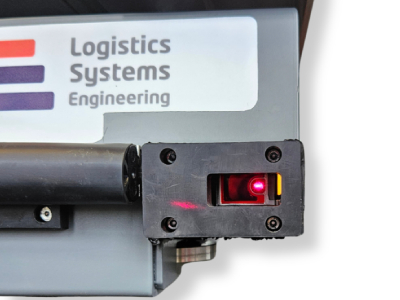
Sensors that enable the shuttle to determine the distance until the end of the storage channel.
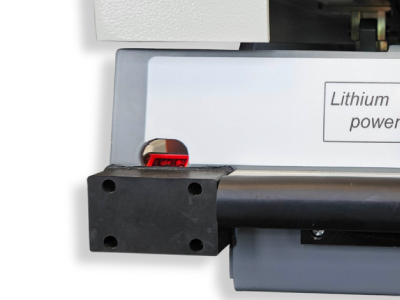
Located at the front of the shuttle, these components cushion contact with the racking structure at the end of the storage channel while assisting with accurate positioning.
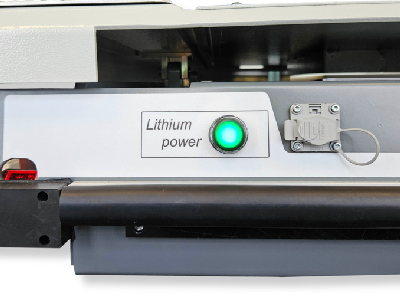
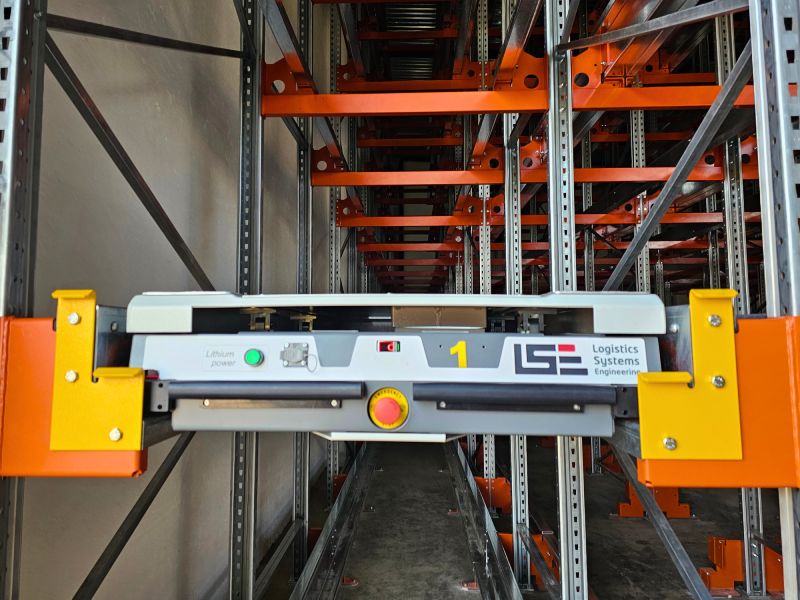
Push-button control used to switch the shuttle on and off. The indicator turns green when operational and red when switched off.
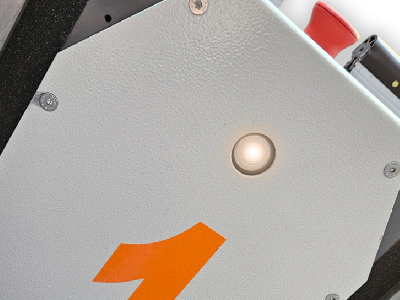
The fault indicator communicates the operating status of the shuttle. A steady red light indicates the equipment is ready for operation, while a flashing light indicates a fault or malfunction.
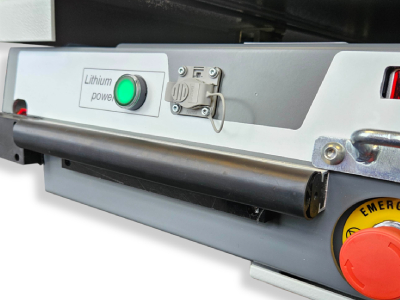
Located at both the front and rear of the shuttle, the safety bumper protects personnel and equipment by immediately stopping operation when contact is detected. Optional laser scanning technology can further enhance safety performance.
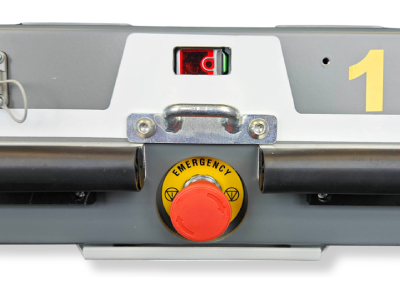
This emergency stop button instantly stops shuttle movement and must be activated before any maintenance work is performed.
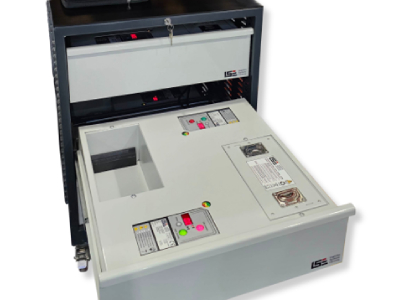
The charging station provides rapid battery charging through a simple slide-in design. Multiple charging solutions are available, including external charging stations capable of charging several batteries simultaneously.
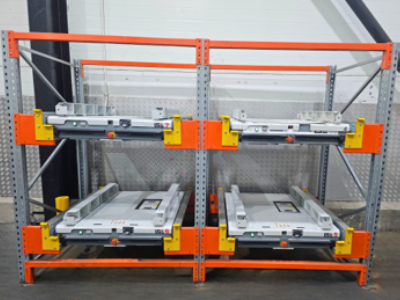
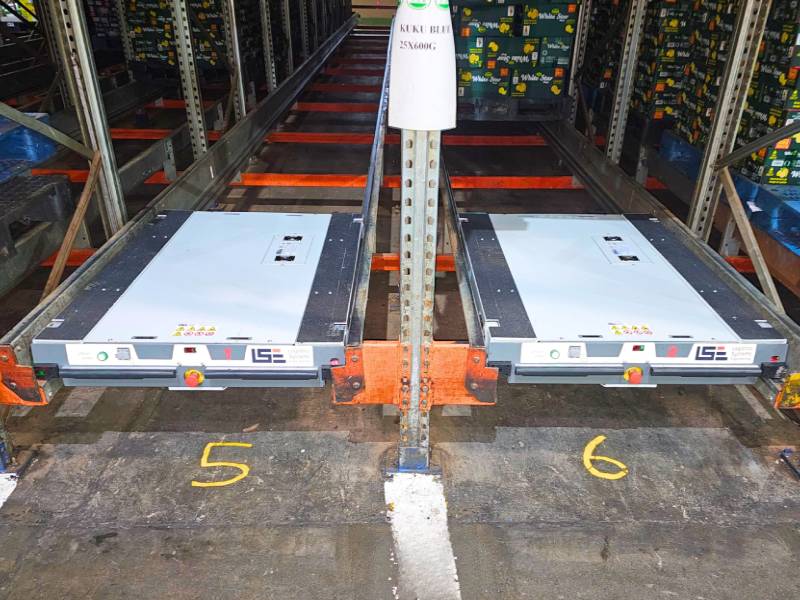
Independent of the racking structure, the load structure is used to store shuttle units and charge batteries while not in operation. It also functions as a rest station, ensuring the shuttle remains protected and ready for the next task.
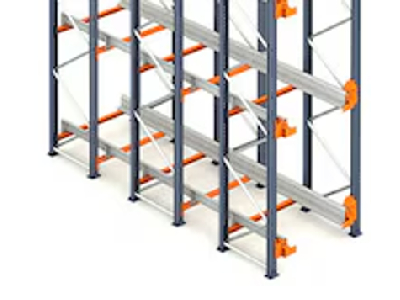
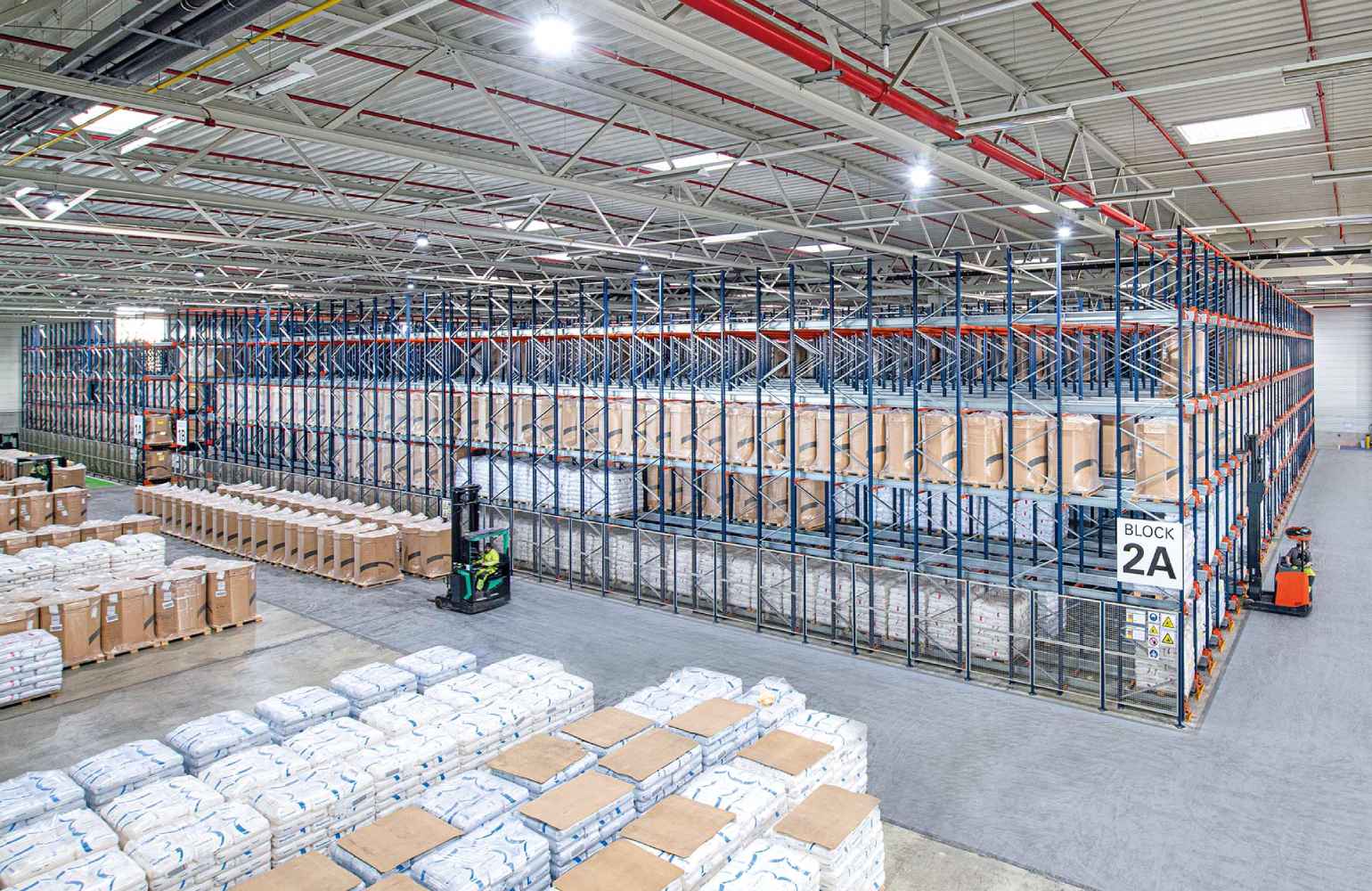
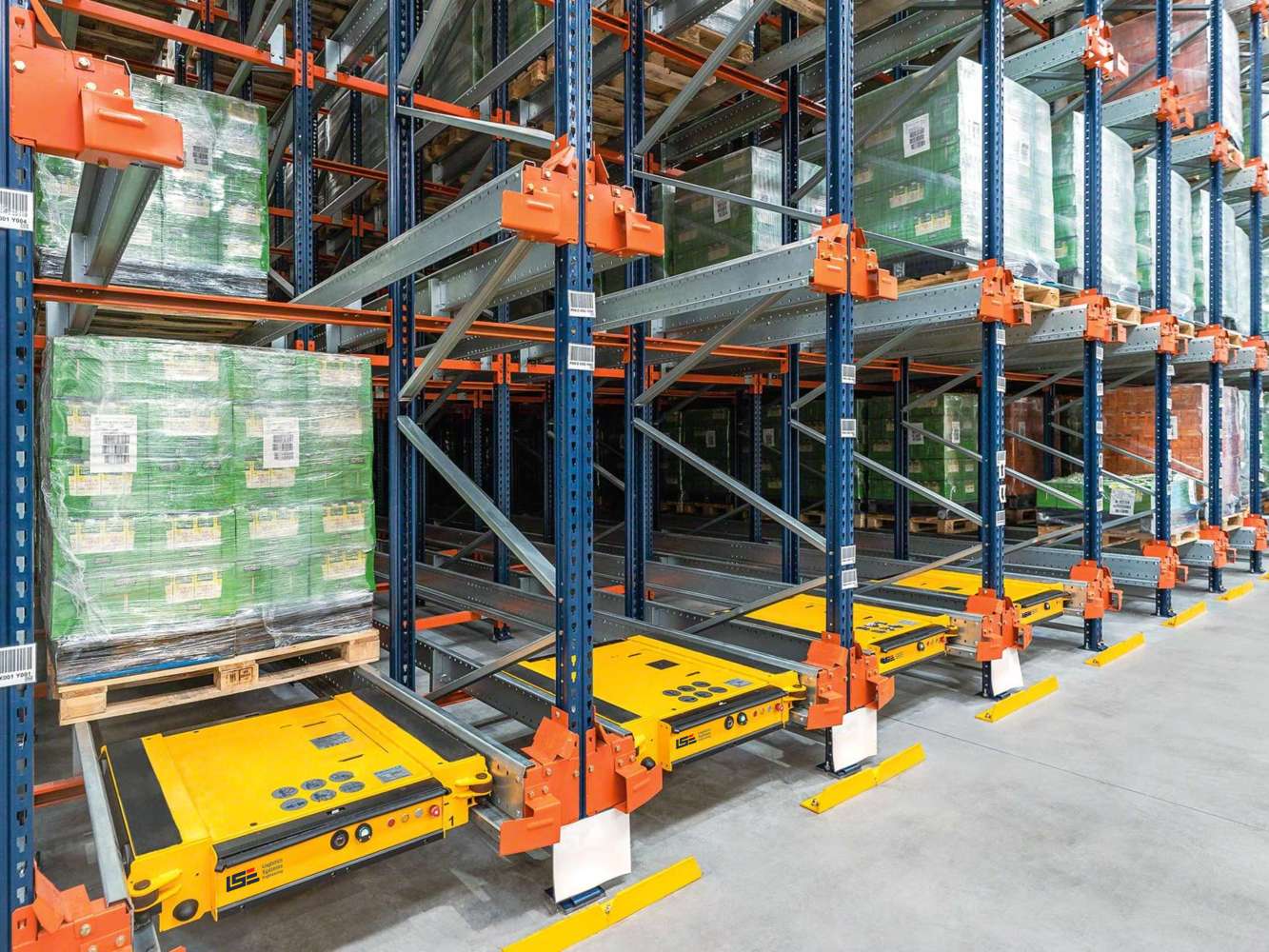
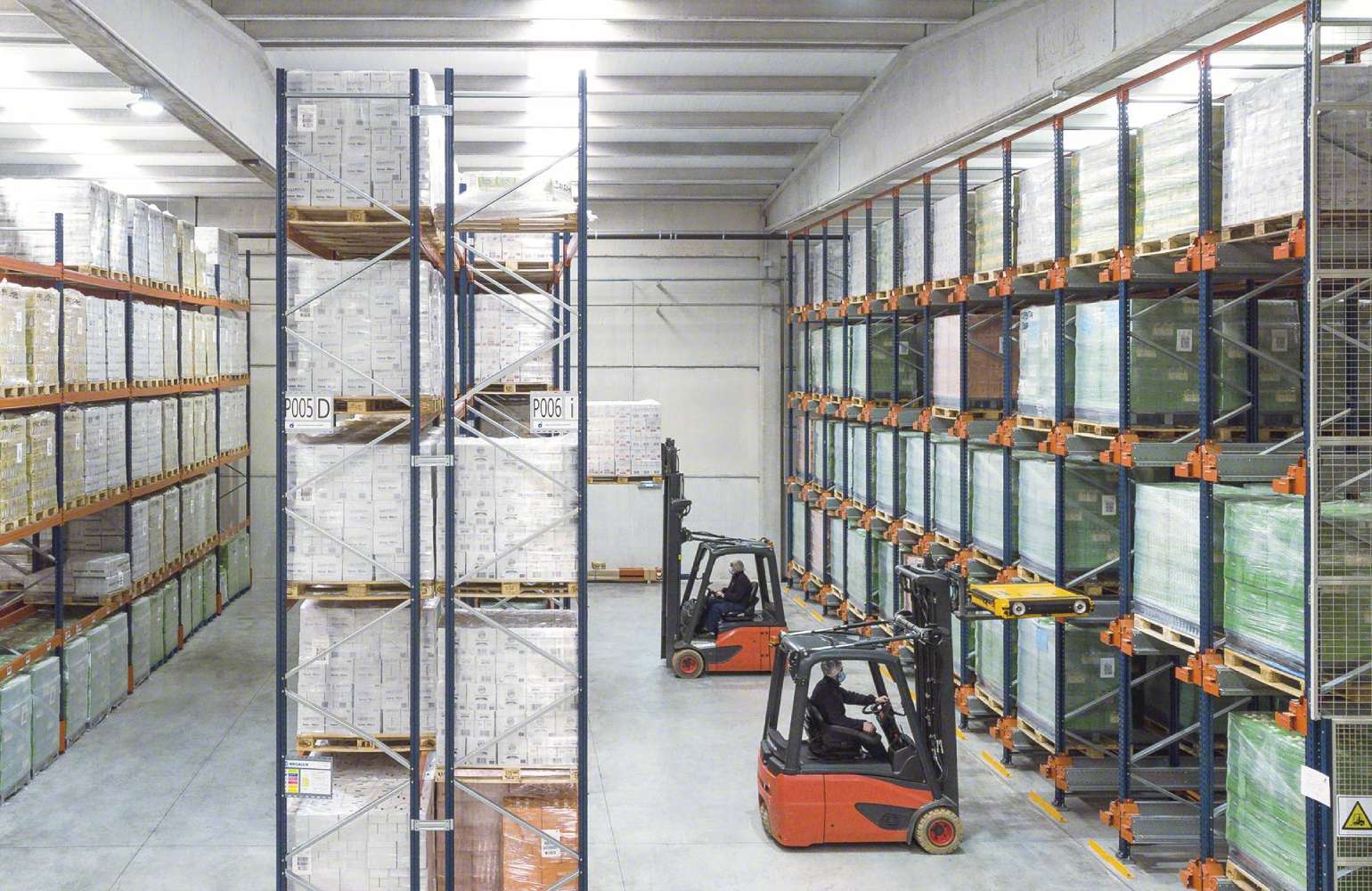
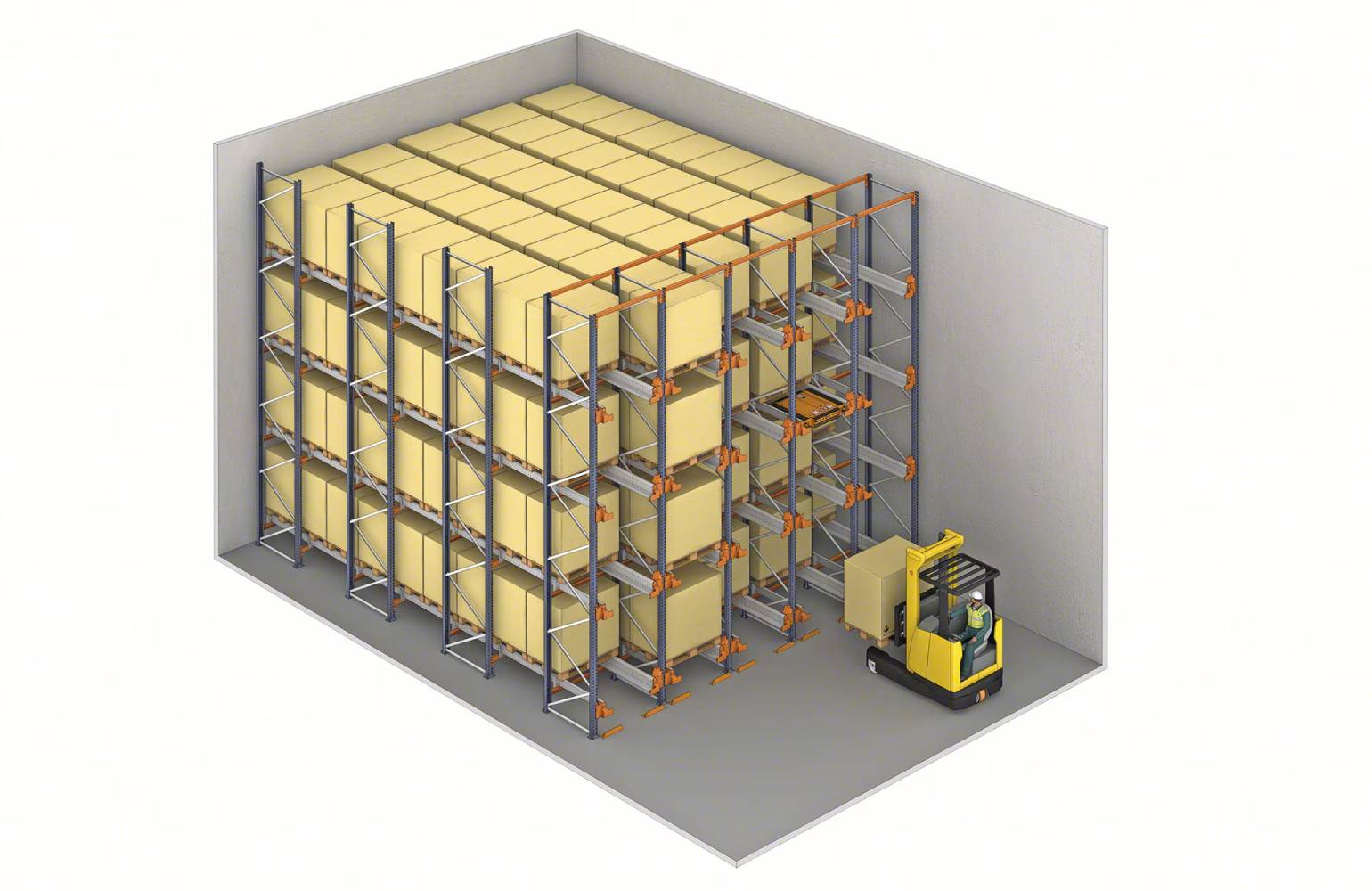
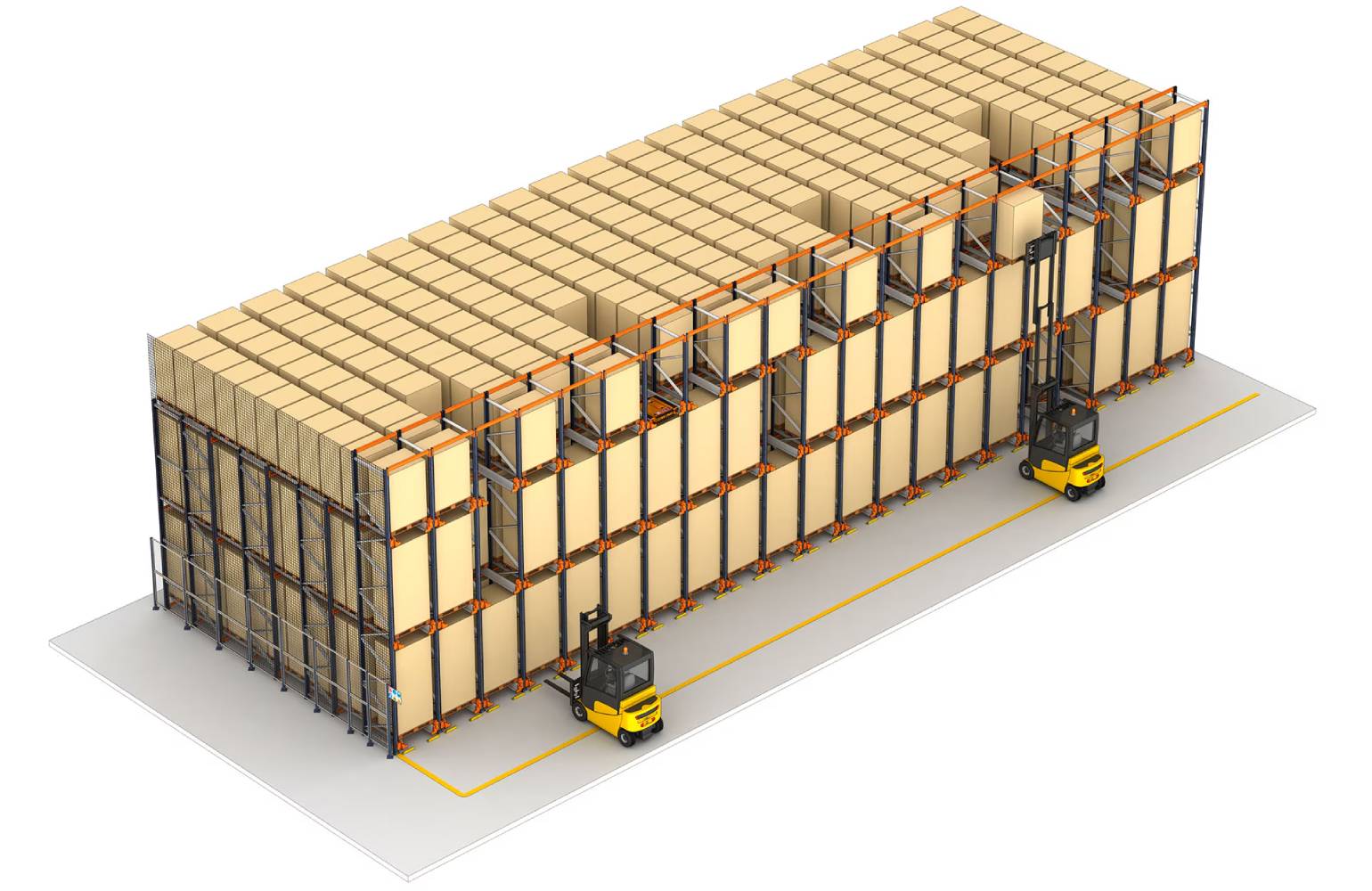
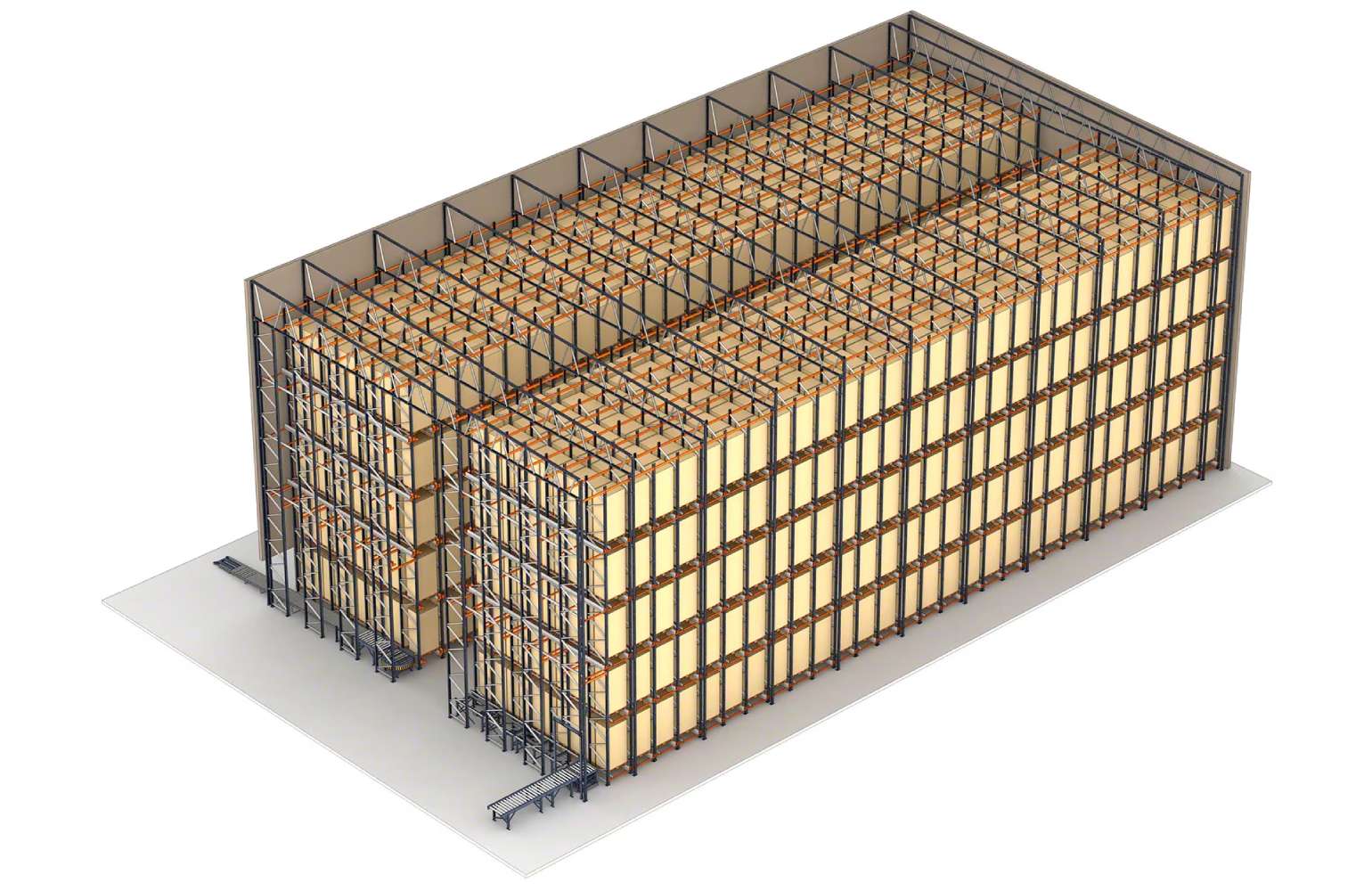
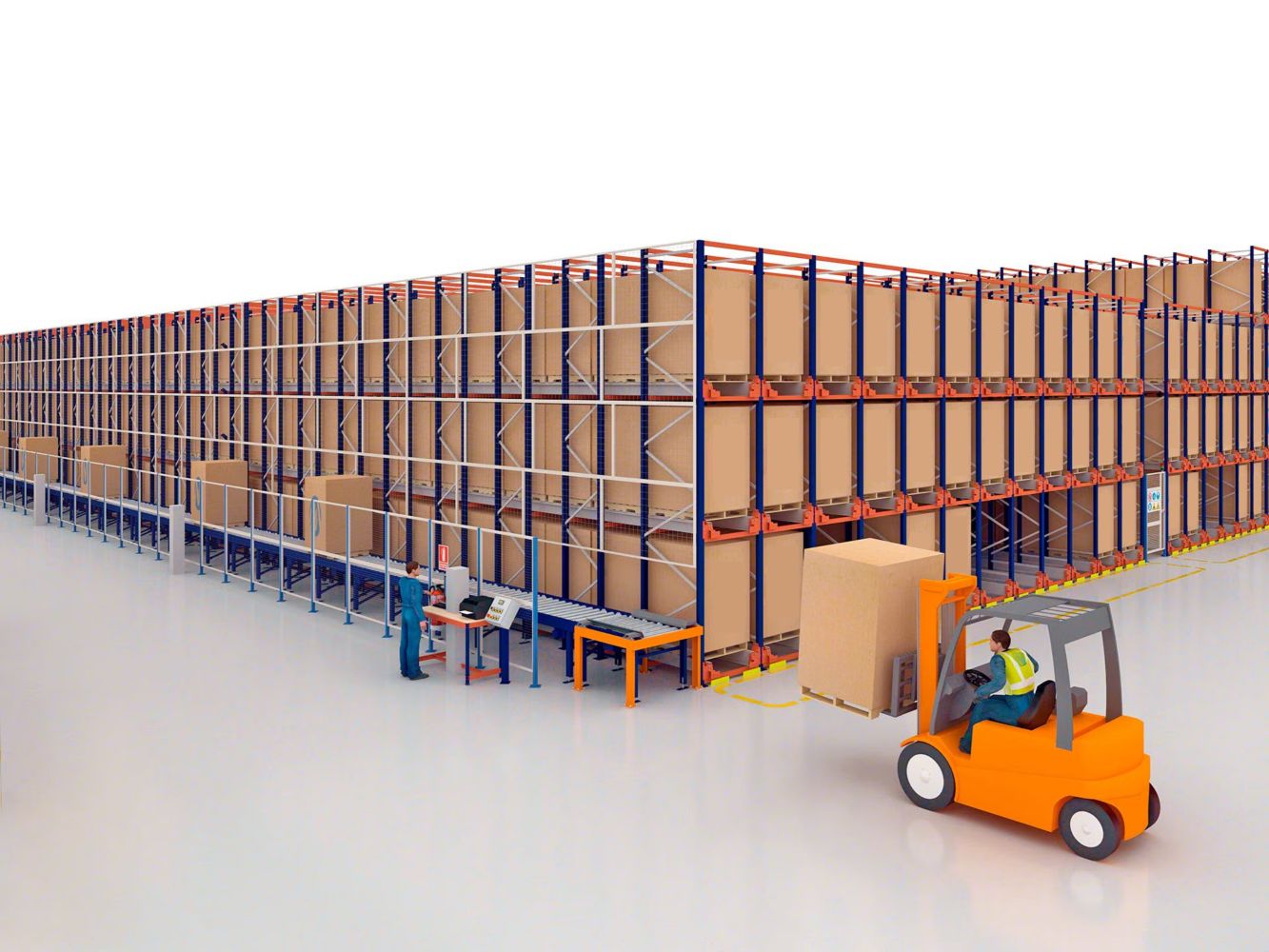
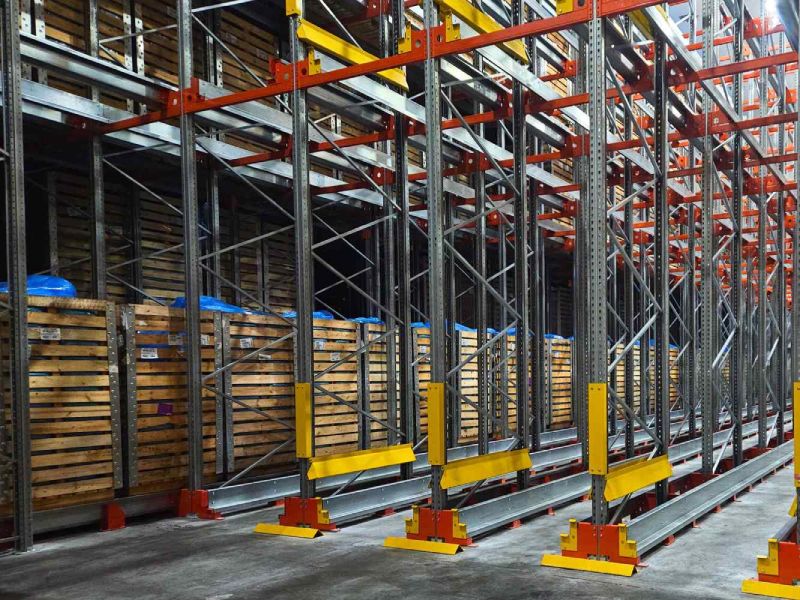
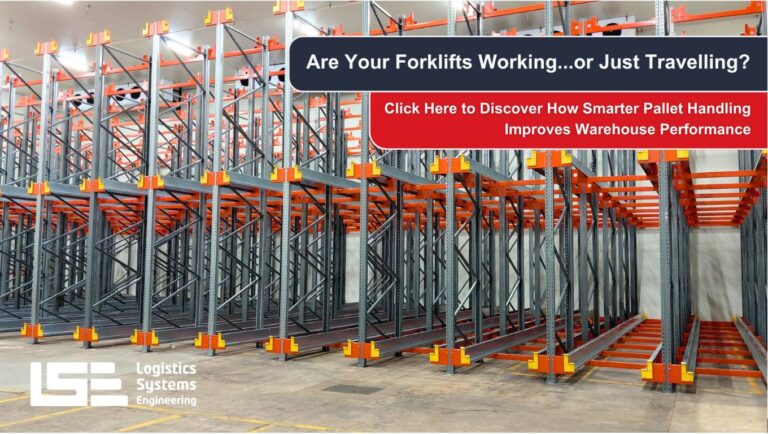
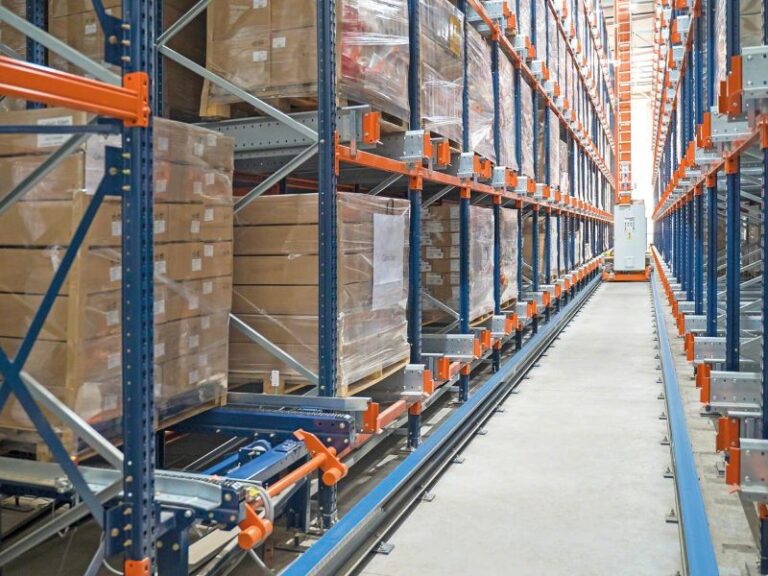
The racking structure consists of a framework of beams, uprights, and rails that form the storage channels through which the shuttle moves and the pallets are stored. Designed for high-density storage applications, the structure provides exceptional strength, stability, and long-term reliability.
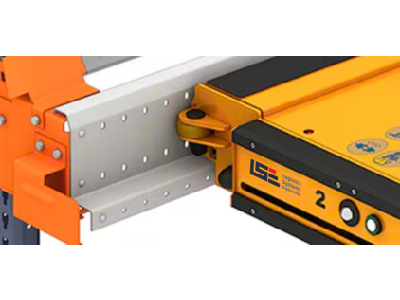
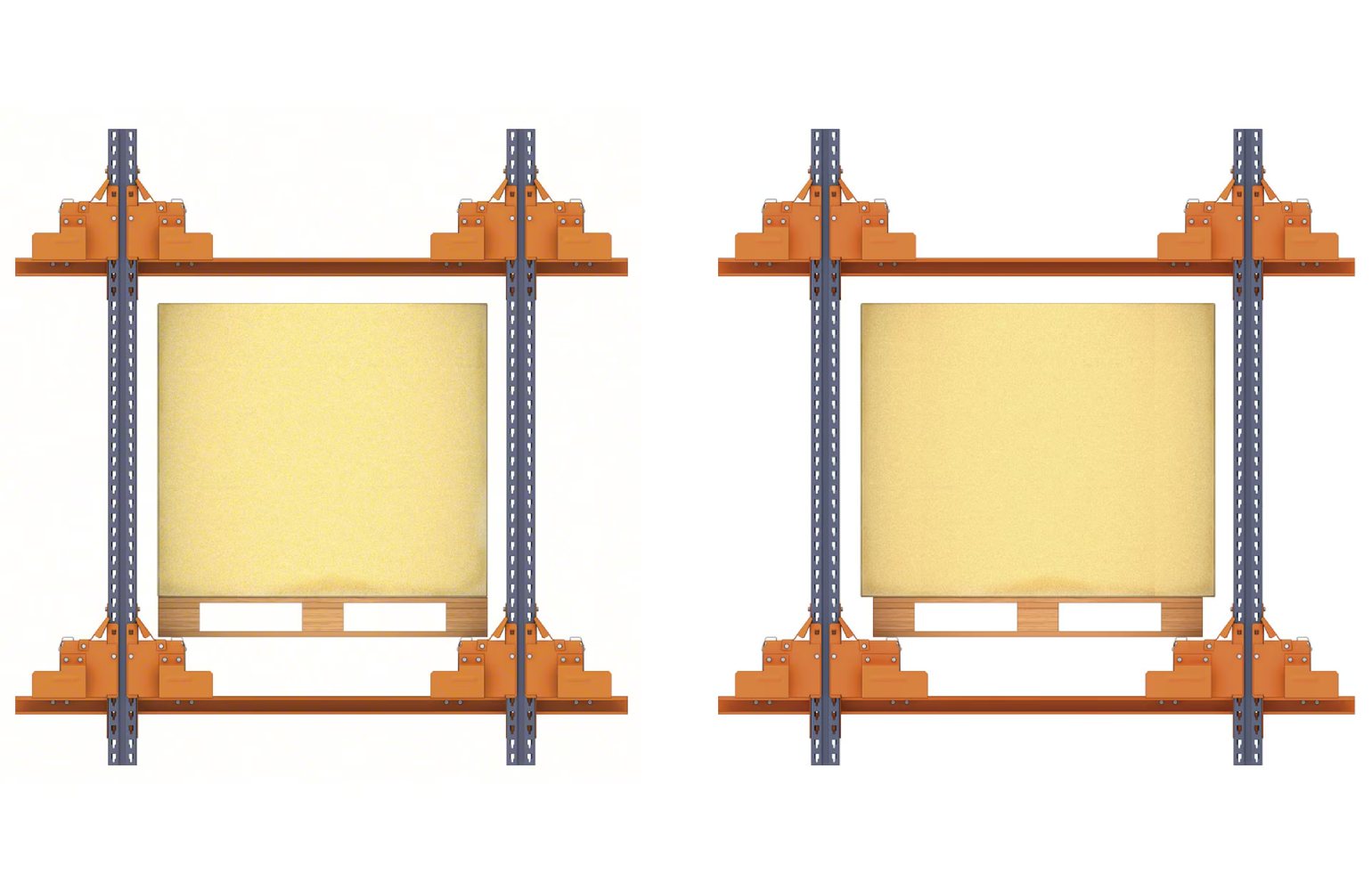
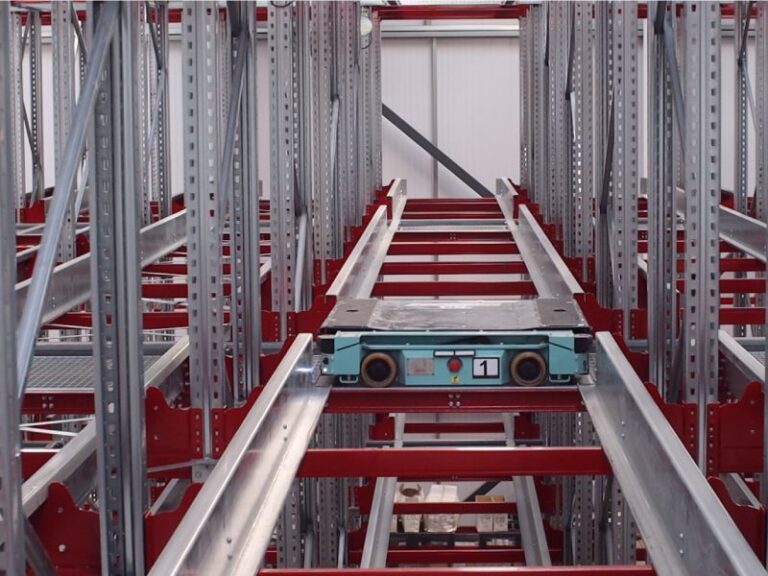
Each storage channel contains a pair of rails with two support levels: a lower level that guides the shuttle and an upper level that supports the pallet load. This design ensures safe and efficient storage and retrieval operation.
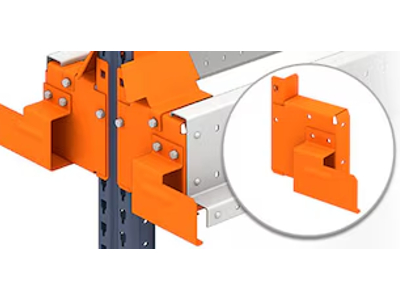
External rail supports secure and anchor the rails to the outer uprights located at the entrance and exit of each storage channel, ensuring structural stability and accurate rail positioning.
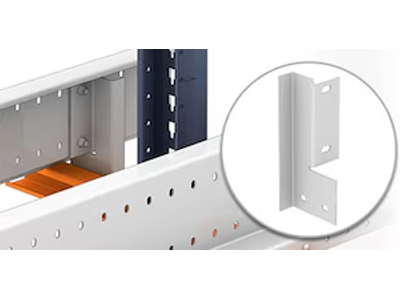
Internal rail supports connect the rails to the structural beams throughout the storage channel, providing continuous support and maintaining correct alignment.
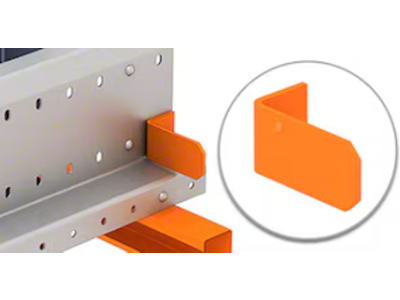
Rail-end stops are detected by the shuttle during operation, allowing it to safely reduce speed and stop under normal working conditions. They also act as a reference point indicating the end of each storage channel.
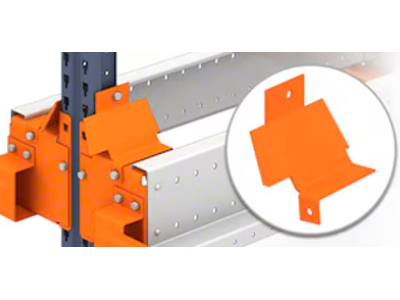
Installed at the entrance and exit of each storage channel, pallet centralisers assist with accurate pallet positioning and alignment, reducing handling errors and improving operational efficiency.
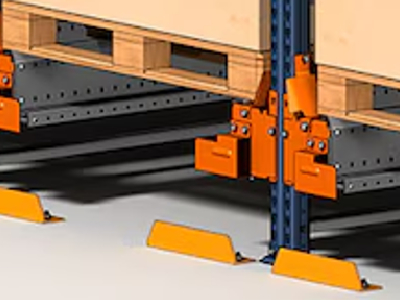
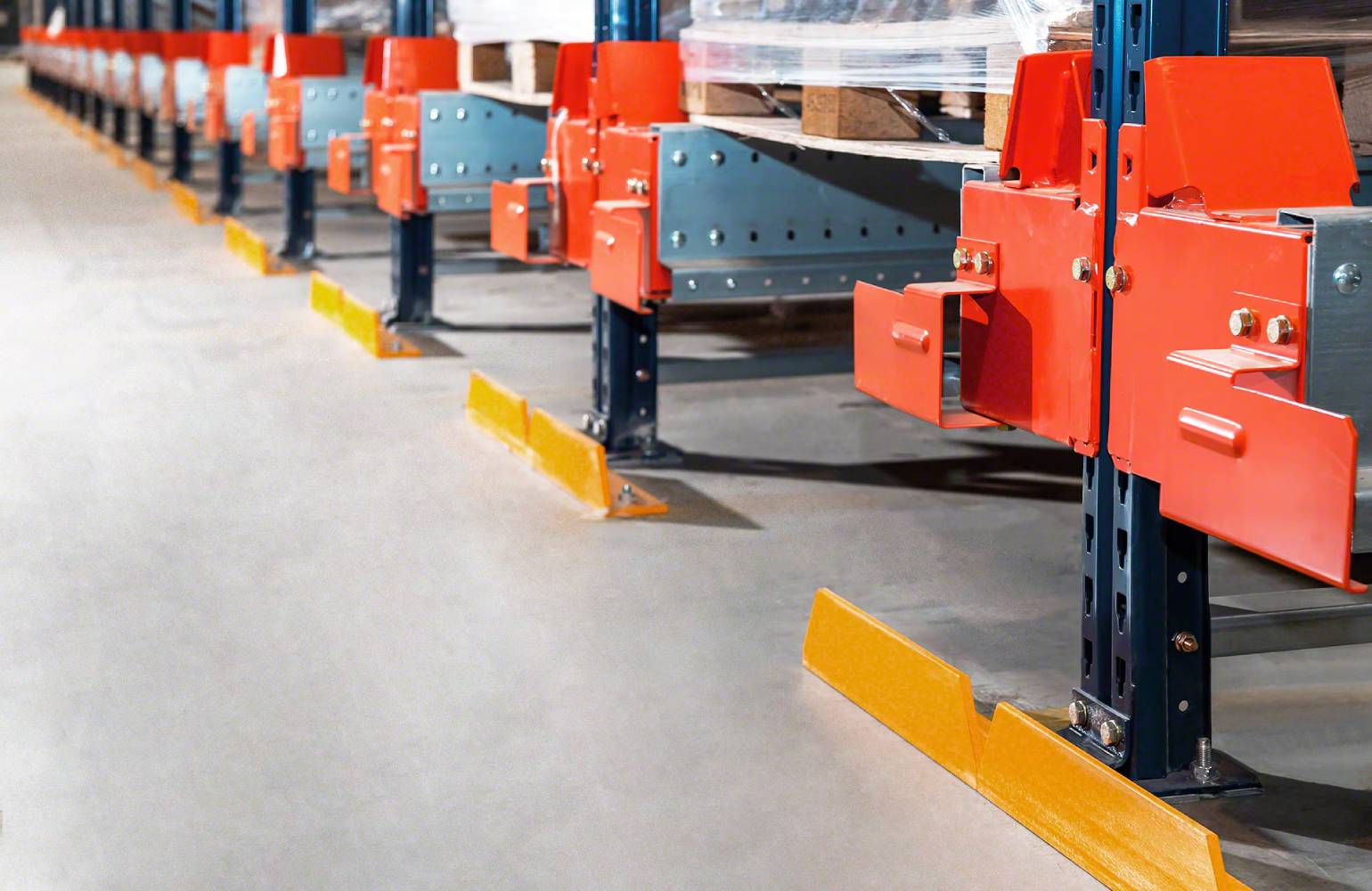
Front and side protectors clearly indicate the maximum position a forklift may reach during operation, helping to prevent accidental impacts with the racking structure.
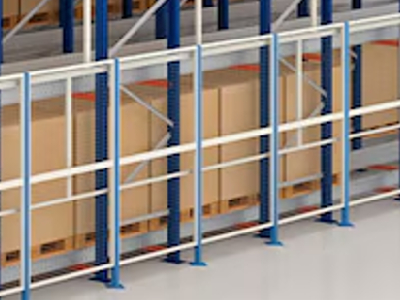
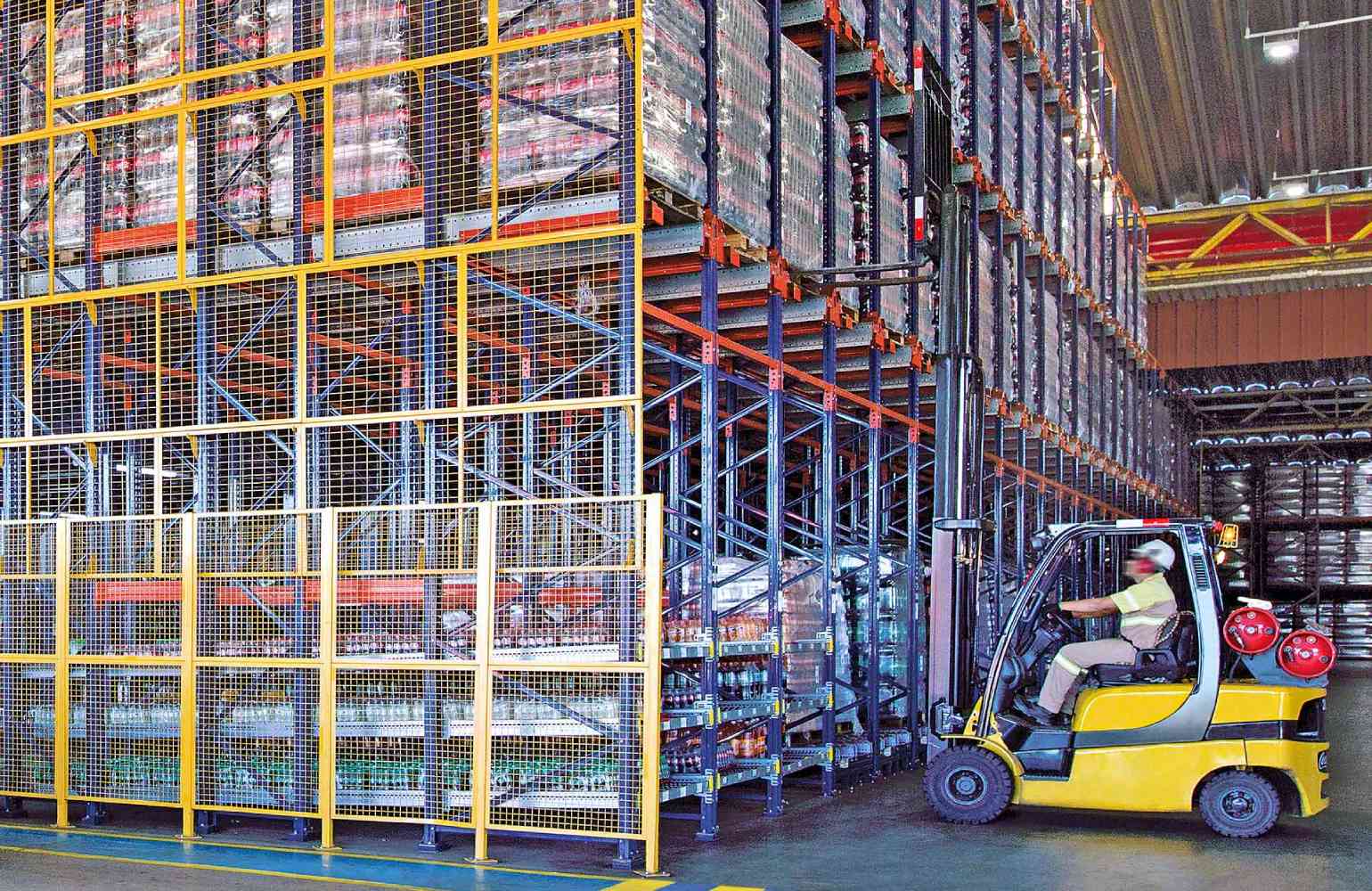
Safety enclosures are installed in all accessible open areas of the storage system to prevent unauthorised access to active storage channels and improve operator safety.
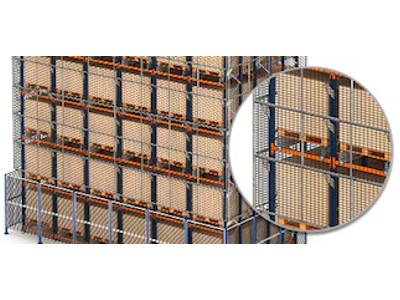
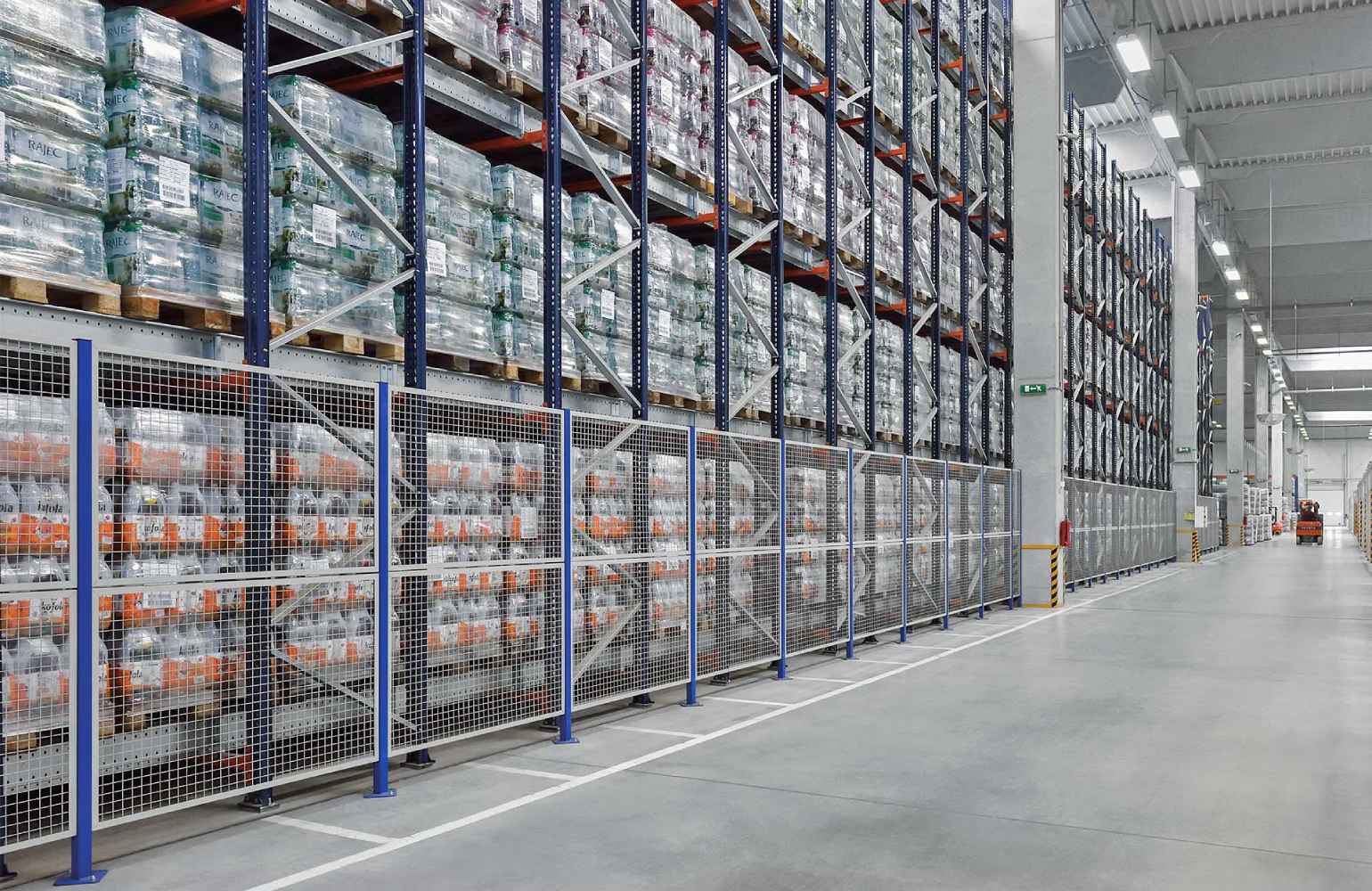
Safety mesh is installed along the full height of the racking where passageways or working areas are present. It prevents loose loads from falling into occupied areas while maintaining airflow in ambient, chilled, and freezer environments.
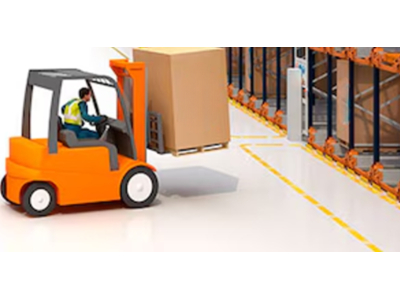
Clearly marked floor zones identify restricted operating areas around the Pallet Shuttle system and improve pedestrian awareness within the warehouse.
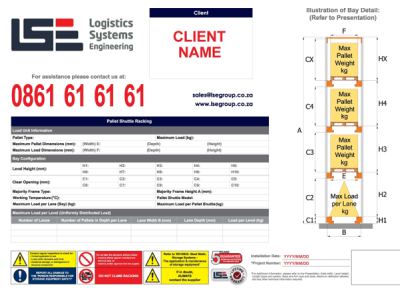
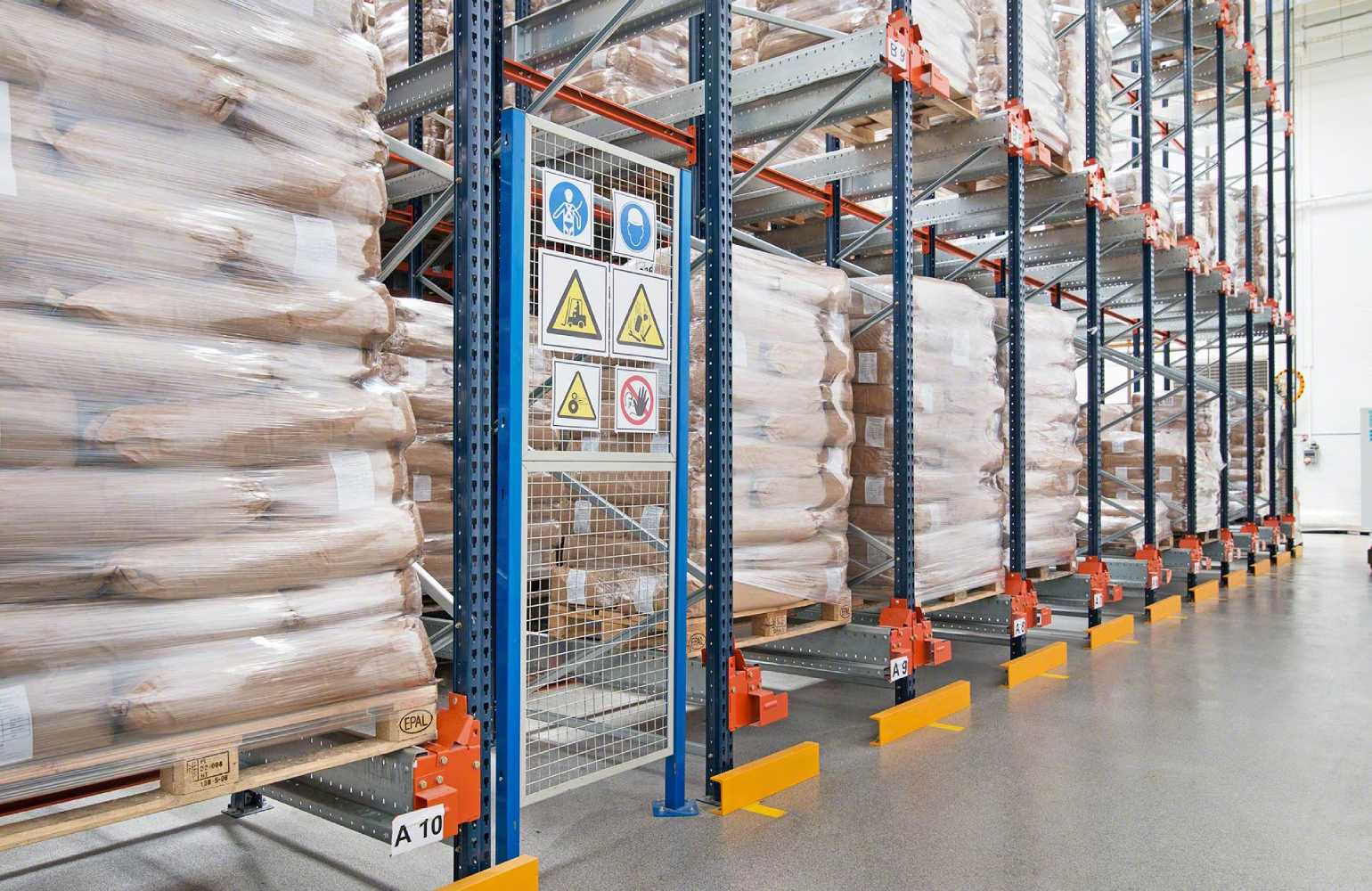
Safety signage provides operators with essential information regarding system operation, potential hazards, safety requirements, and access restrictions.
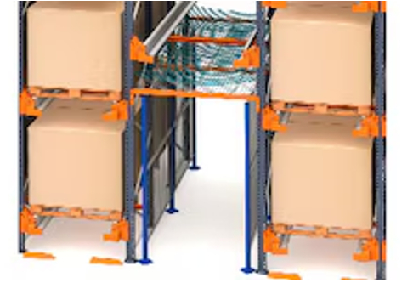
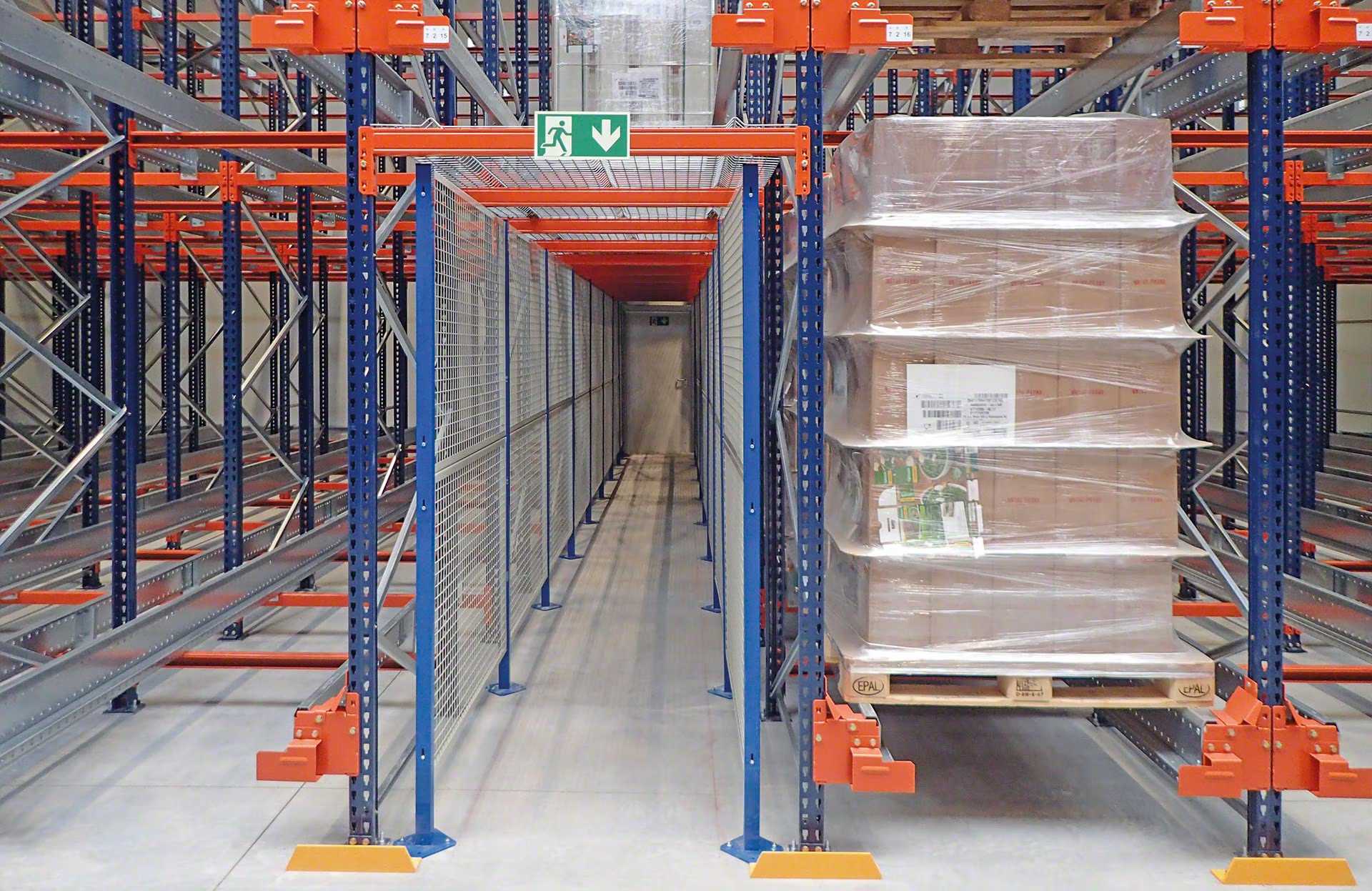
When maintenance or emergency evacuation passageways are installed beneath the racking structure, safety enclosures and overhead mesh protection are fitted to safeguard personnel.
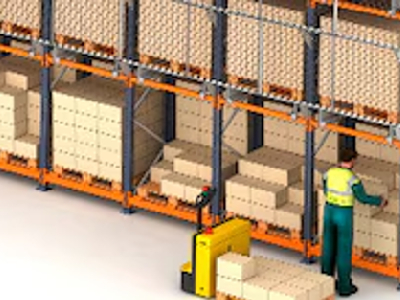
Lower-level picking aisles are protected using overhead safety mesh and additional protection systems to prevent falling objects from reaching operators.
Advanced shuttle technology, intelligent controls, and integrated safety systems designed to maximise performance, reliability, and operational safety.
Located on the top surface of the shuttle, the lifting platform raises the pallet for transport through the storage channel. Contact with the pallet is made through lifting pads, while the patented lifting mechanism ensures reliable operation, reduced wear, and long-term durability.
The four main wheels rest on the base of the rails and enable the shuttle to travel throughout the storage channel. Positioned beneath the lifting platform, they are engineered for smooth movement, reliability, and low maintenance.
These four smaller wheels make contact with the side of the rail to guide the shuttle in the longitudinal direction, ensuring smooth, precise, and safe movement.
The programmable logic controller (PLC) is the shuttle's main processor. It executes shuttle movements, receives information from sensors, and coordinates all operational functions.
The antenna allows the shuttle to receive instructions via Wi-Fi from the control tablet, hand-held terminal, remote control, or warehouse management system (WMS).
The shuttle operates using lithium-ion batteries that provide up to 10 hours of autonomy, depending on operating temperature and load conditions. The batteries offer rapid charging, extended cycle life, and reliable performance in both ambient and cold-store environments.
The battery is stored in an easy-access compartment on the top of the shuttle for fast and simple removal. Batteries can be recharged inside the compartment or at an external charging station.
Electromagnets located at the base of the shuttle reinforce its attachment to the forklift forks during handling. Additional anti-fall protection helps prevent movement and improves transport safety.
Four vertical laser sensors located on the upper section of the shuttle verify correct pallet positioning before transport, ensuring safe and accurate pallet handling.
Ultrasonic sensors continuously detect the position of the last pallet deposited in the storage channel, allowing the shuttle to determine the next available storage location.
Sensors that enable the shuttle to determine the distance until the end of the storage channel.
Located at the front of the shuttle, these components cushion contact with the racking structure at the end of the storage channel while assisting with accurate positioning.
Push-button control used to switch the shuttle on and off. The indicator turns green when operational and red when switched off.
The fault indicator communicates the operating status of the shuttle. A steady red light indicates the equipment is ready for operation, while a flashing light indicates a fault or malfunction.
Located at both the front and rear of the shuttle, the safety bumper protects personnel and equipment by immediately stopping operation when contact is detected. Optional laser scanning technology can further enhance safety performance.
This emergency stop button instantly stops shuttle movement and must be activated before any maintenance work is performed.
The charging station provides rapid battery charging through a simple slide-in design. Multiple charging solutions are available, including external charging stations capable of charging several batteries simultaneously.
Advanced shuttle technology, intelligent controls, and integrated safety systems designed to maximise performance, reliability, and operational safety.
Independent of the racking structure, the load structure is used to store shuttle units and charge batteries while not in operation. It also functions as a rest station, ensuring the shuttle remains protected and ready for the next task.
The racking structure consists of a framework of beams, uprights, and rails that form the storage channels through which the shuttle moves and the pallets are stored. Designed for high-density storage applications, the structure provides exceptional strength, stability, and long-term reliability.
Each storage channel contains a pair of rails with two support levels: a lower level that guides the shuttle and an upper level that supports the pallet load. This design ensures safe and efficient storage and retrieval operation.
External rail supports secure and anchor the rails to the outer uprights located at the entrance and exit of each storage channel, ensuring structural stability and accurate rail positioning.
Internal rail supports connect the rails to the structural beams throughout the storage channel, providing continuous support and maintaining correct alignment.
Rail-end stops are detected by the shuttle during operation, allowing it to safely reduce speed and stop under normal working conditions. They also act as a reference point indicating the end of each storage channel.
Installed at the entrance and exit of each storage channel, pallet centralisers assist with accurate pallet positioning and alignment, reducing handling errors and improving operational efficiency.
Advanced shuttle technology, intelligent controls, and integrated safety systems designed to maximise performance, reliability, and operational safety.
Front and side protectors clearly indicate the maximum position a forklift may reach during operation, helping to prevent accidental impacts with the racking structure.
Safety enclosures are installed in all accessible open areas of the storage system to prevent unauthorised access to active storage channels and improve operator safety.
Safety mesh is installed along the full height of the racking where passageways or working areas are present. It prevents loose loads from falling into occupied areas while maintaining airflow in ambient, chilled, and freezer environments.
Clearly marked floor zones identify restricted operating areas around the Pallet Shuttle system and improve pedestrian awareness within the warehouse.
Safety signage provides operators with essential information regarding system operation, potential hazards, safety requirements, and access restrictions.
When maintenance or emergency evacuation passageways are installed beneath the racking structure, safety enclosures and overhead mesh protection are fitted to safeguard personnel.
Lower-level picking aisles are protected using overhead safety mesh and additional protection systems to prevent falling objects from reaching operators.
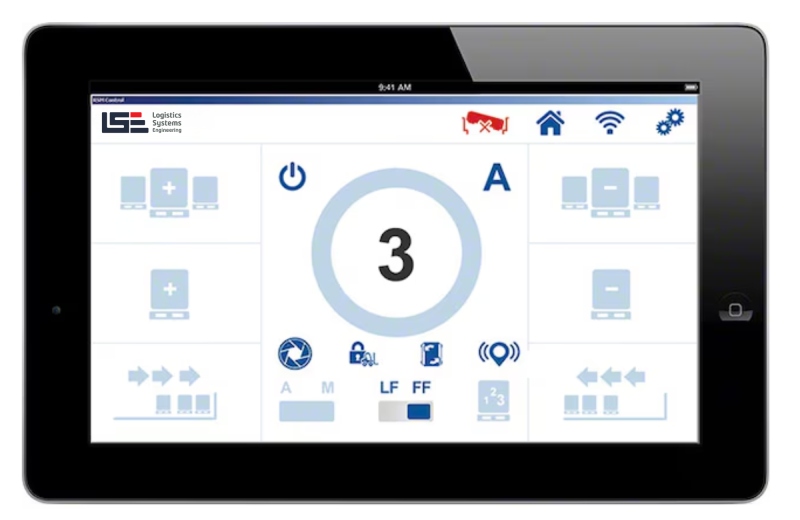
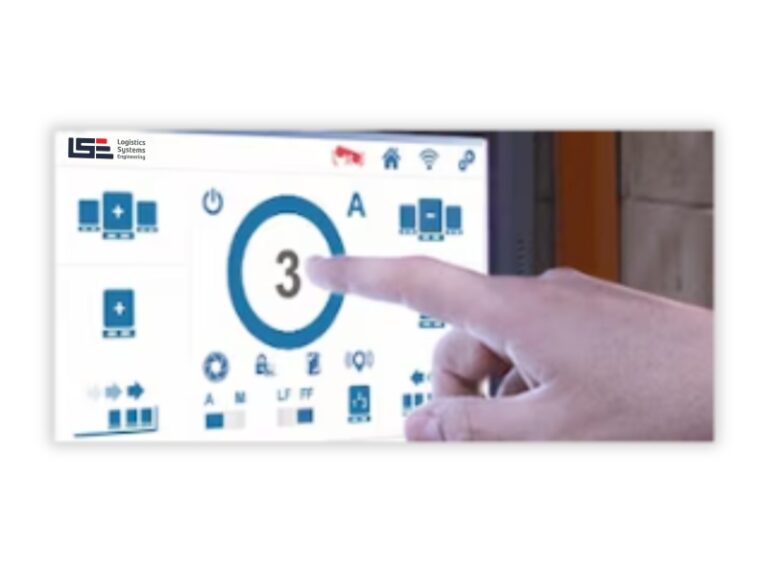
Shows the identification number of the car in operation and its status.

Allows you to choose the working mode: automatic or manual (for maintenance tasks).
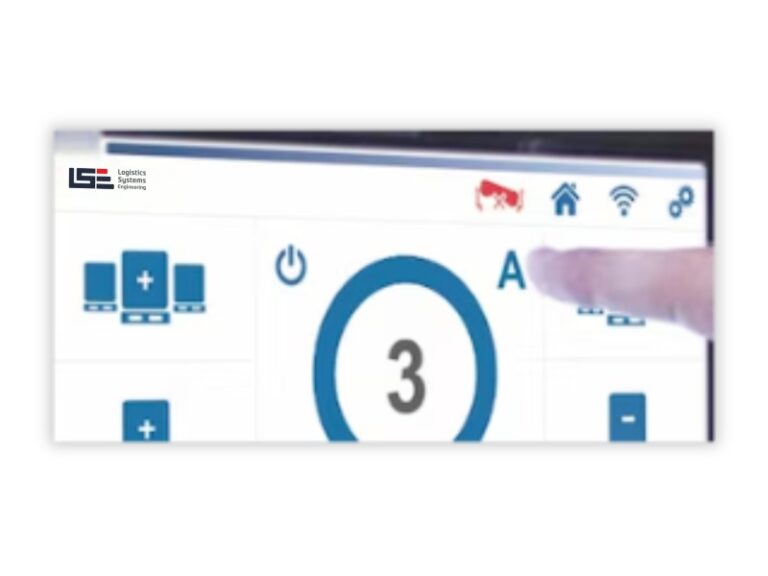
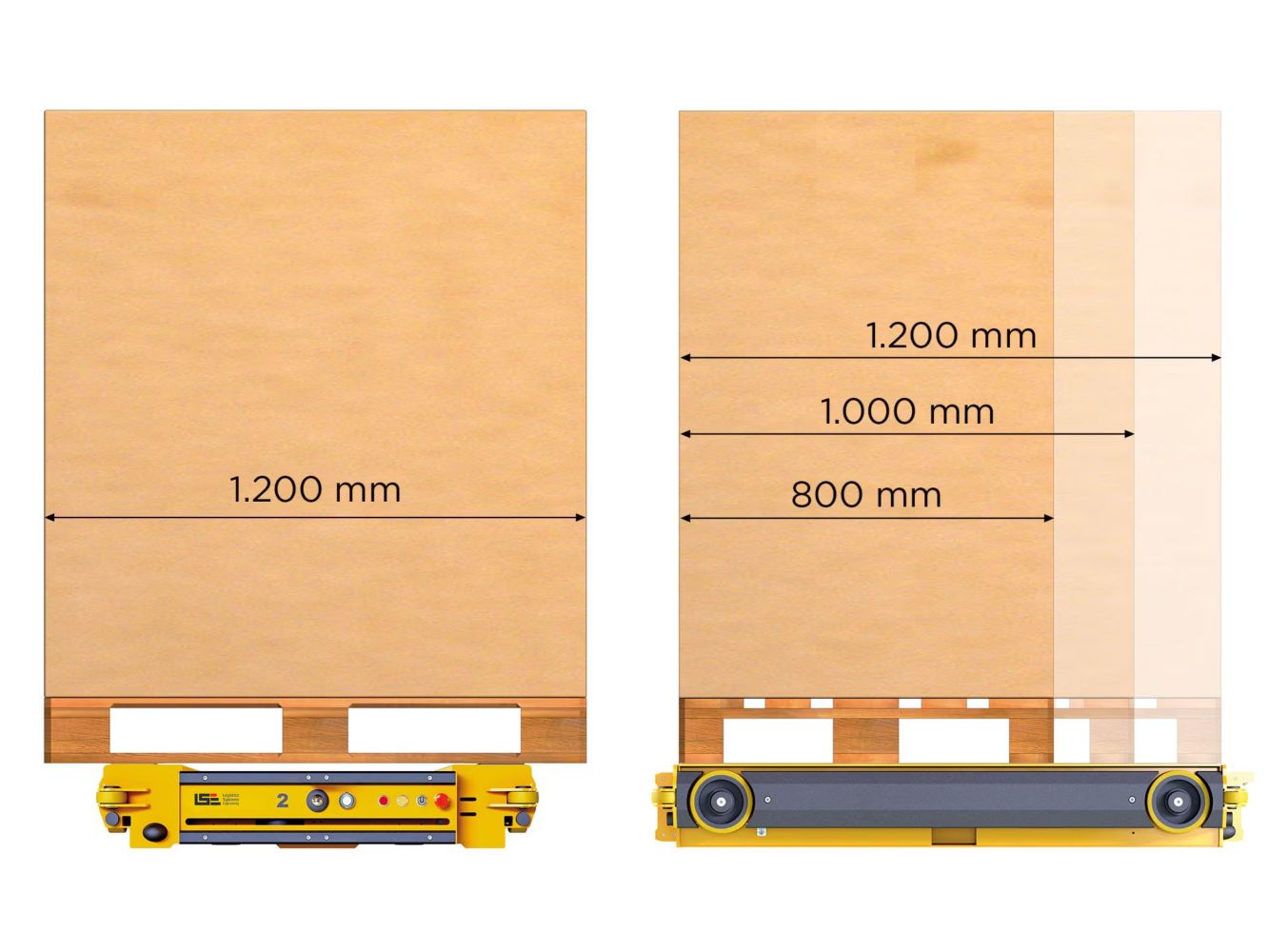
Used to choose the type of pallet to be handled.
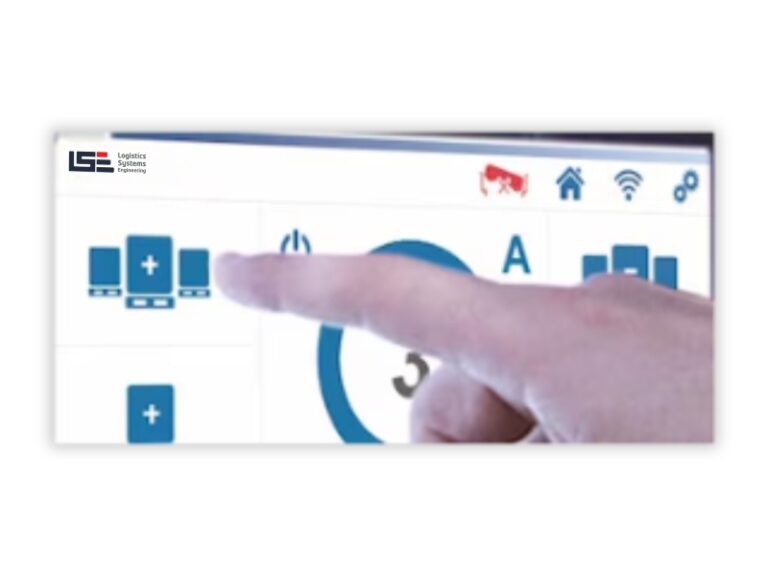
When this function is activated, the system performs the storage or retrieval operation continuously until the channel is completely loaded or unloaded.

With this function, you can indicate in advance the exact number of pallets to be stored in or removed from the channel.

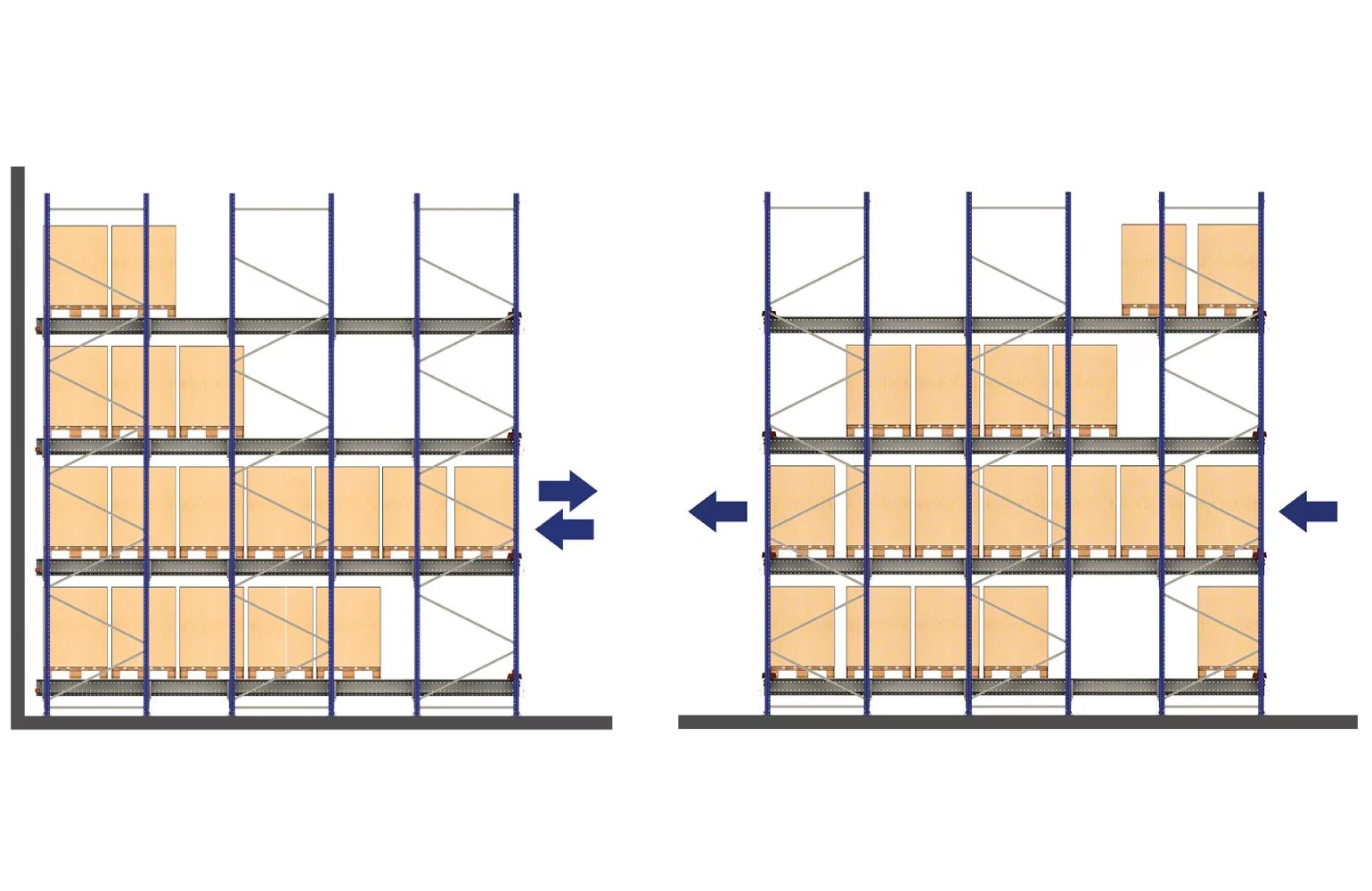
Selection of the load management strategy: LIFO (one working aisle) or FIFO (two working aisles).

If the channel is not unloaded completely, this function enables you to regroup all the pallets at the beginning of the channel (LIFO mode) or towards the end (FIFO mode) to save time on future retrieval manoeuvres.

Used to select the side of the racking you want to work on (only in FIFO mode).
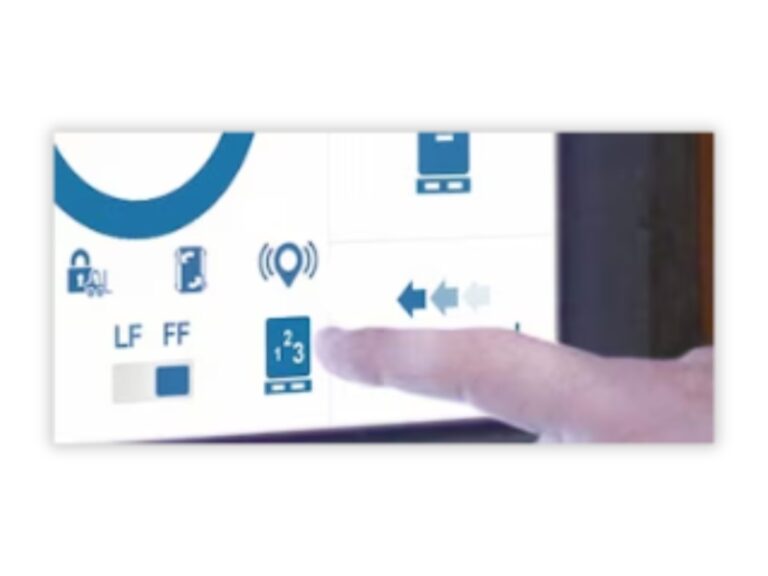
This function allows you to count the pallets stored in the channel.

This activates the electromagnets at the base of the Pallet Shuttle unit, strengthening the contact between the shuttle and the forks of the forklift.
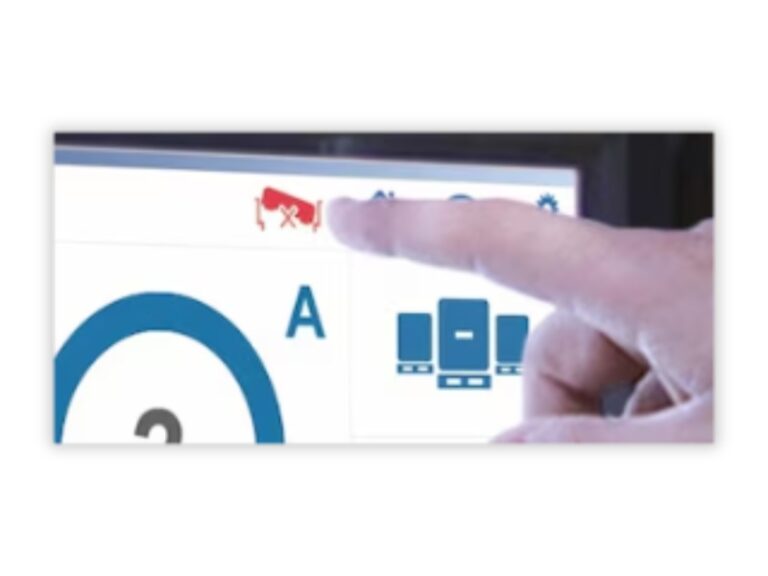
This triggers a warning when the shuttle has been inserted into the channel incorrectly. To solve this error, the shuttle must be repositioned in the channel.
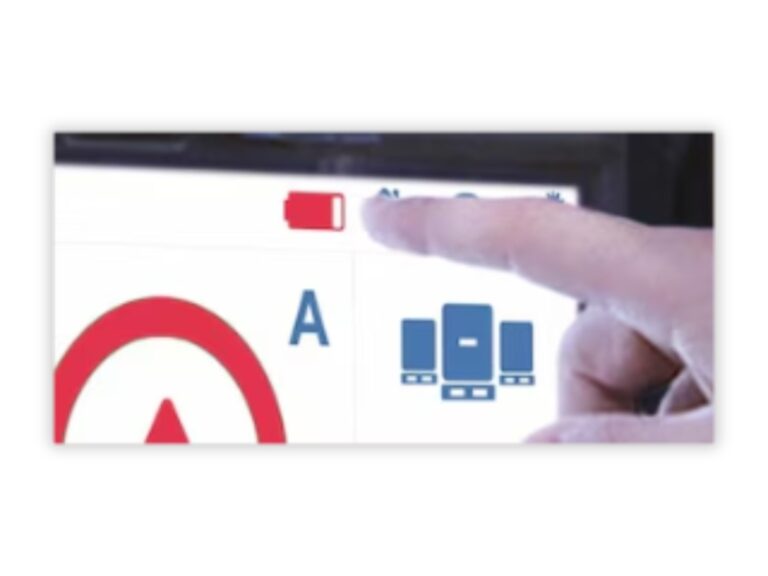
This icon warns the operator that the shuttle battery is about to run out.
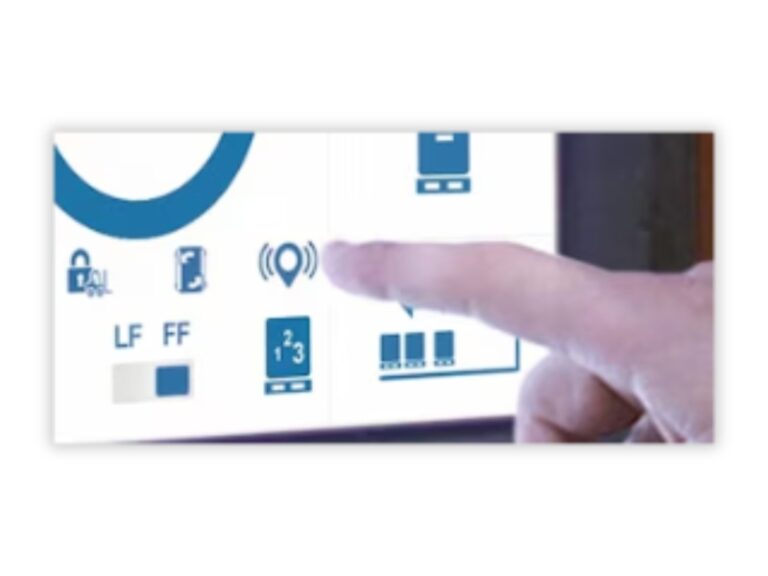
This activates an audible signal to identify the car and locate its position. It emits a series of sounds, while the fault light flashes.

This function makes it possible to recover a shuttle from inside the channel using a rescue shuttle in the event of a breakdown or total discharge of the battery.
LSE’s Pallet Shuttle System
High-Density Pallet Shuttle Solutions Engineered for Faster, Smarter Warehouse Operations
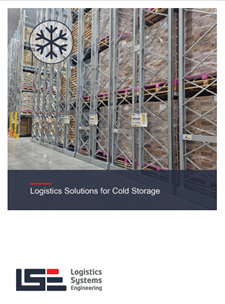
Logistics Solutions for Cold Storage
High-Density Mobile Racking Solutions Engineered for Cold Storage and Freezer Warehouses
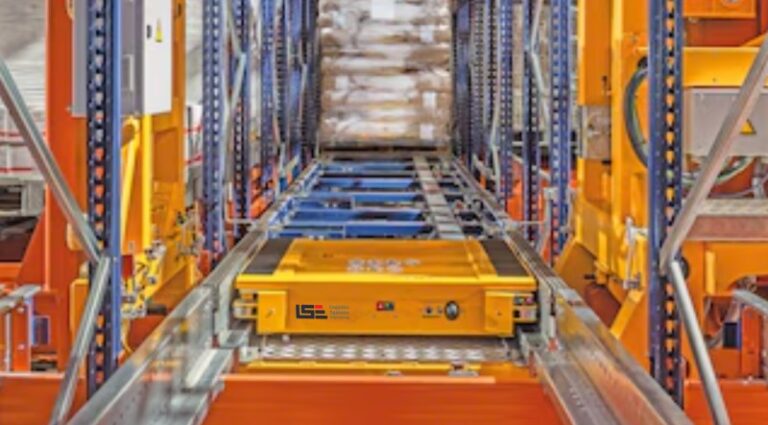
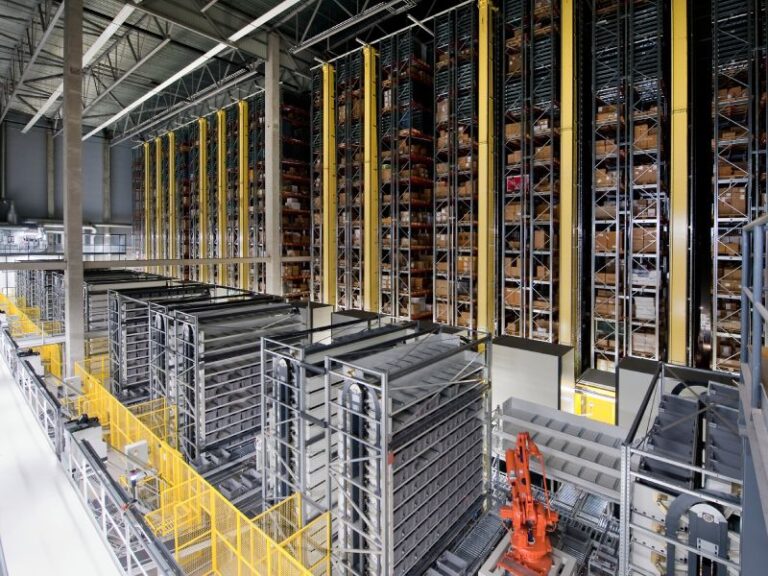
Automated Warehouses for Pallets
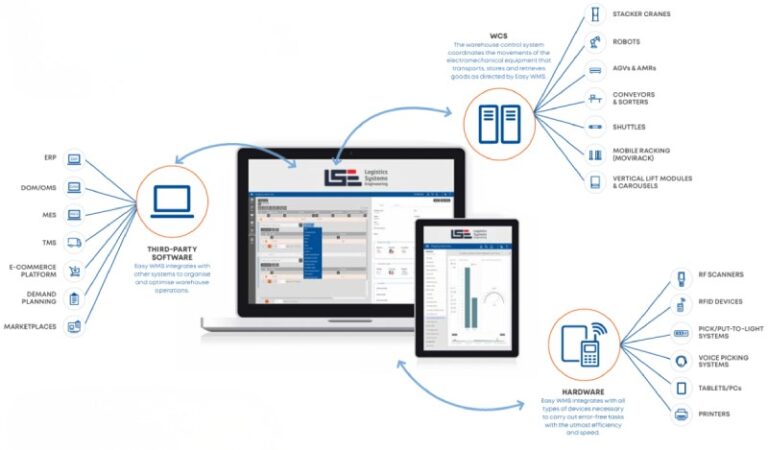
Warehouse Management Software (WMS)
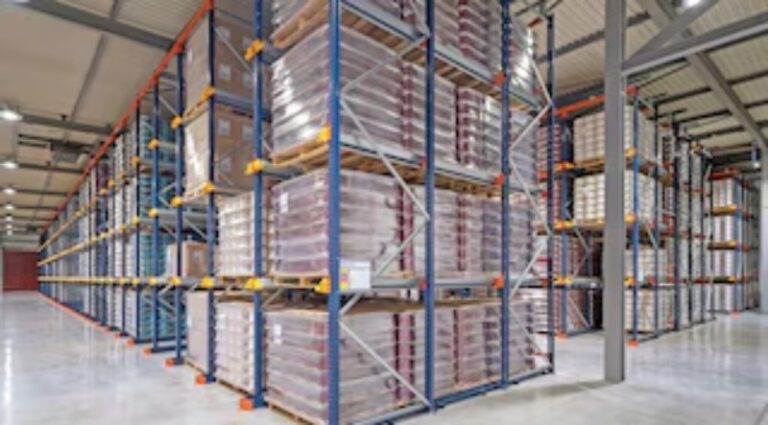
Pallet Racking
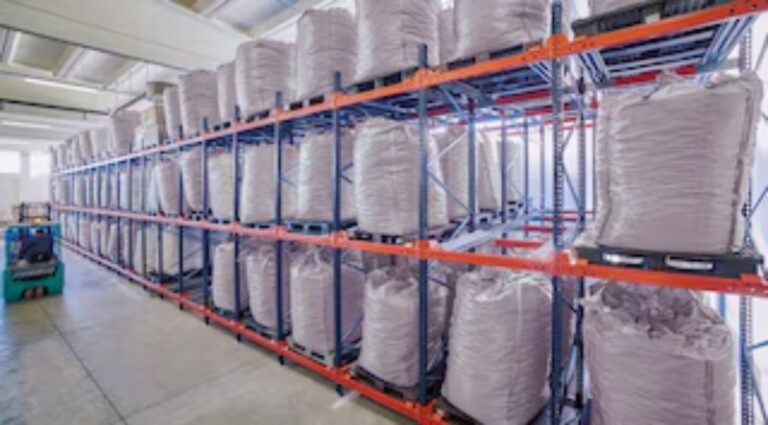
Pallet Racking
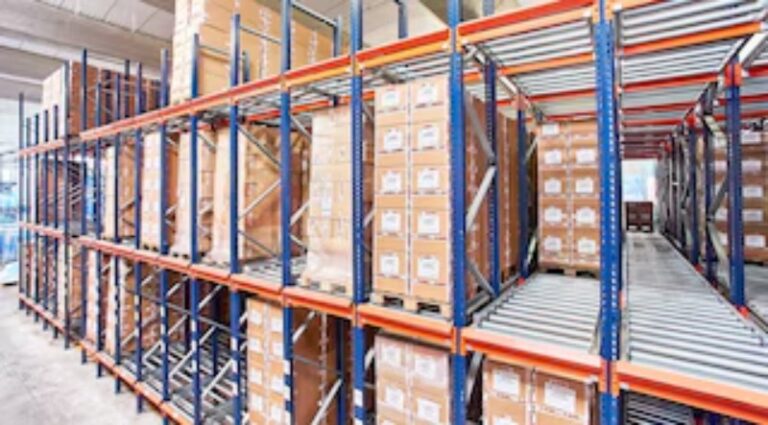
Pallet Racking
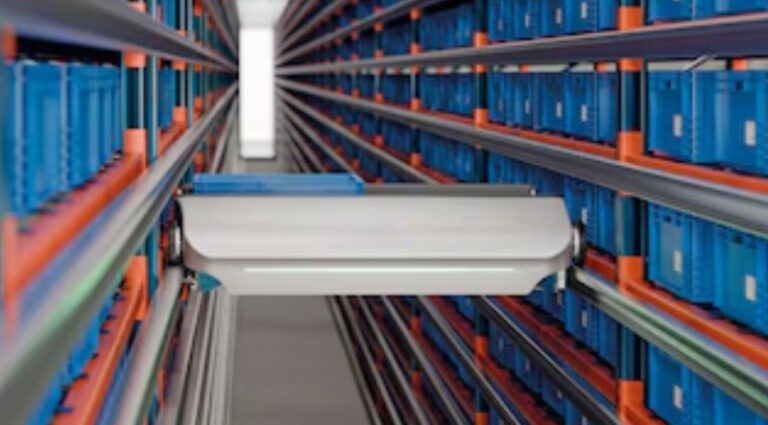
Automated Warehouses for Boxes
Please Fill in the Form Below. Specify the Product Information you Require or How LSE can Help you.
Automated Warehouses for Pallets
Automated Warehouses for Pallets
Mobile Pallet Racking
Automated Warehouses for Pallets
Automated Warehouses for Pallets
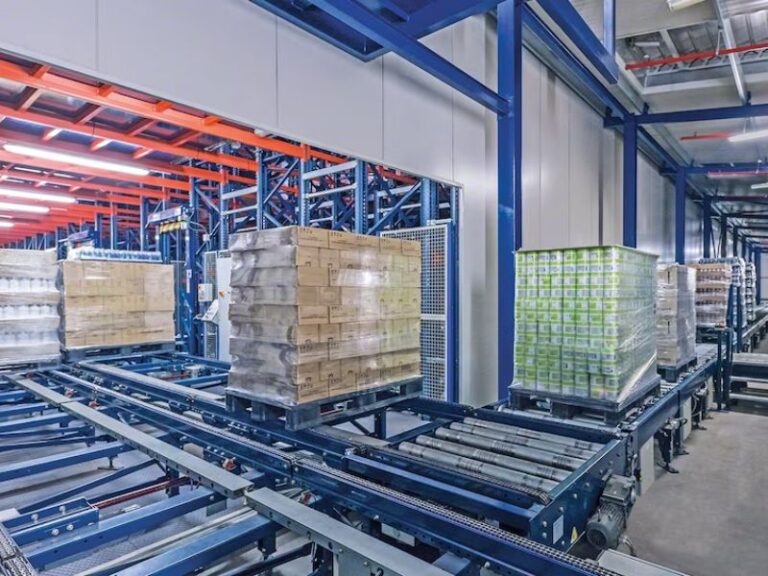
Automated Warehouses for Pallets
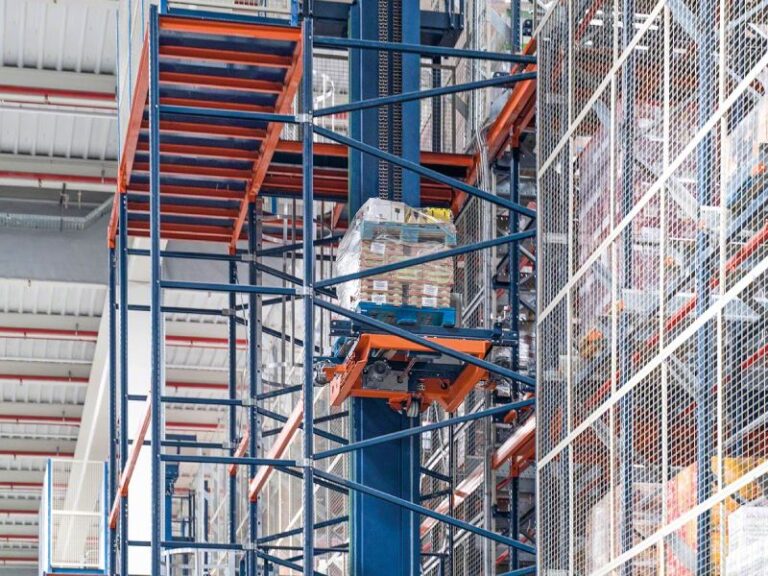
Automated Warehouses for Pallets
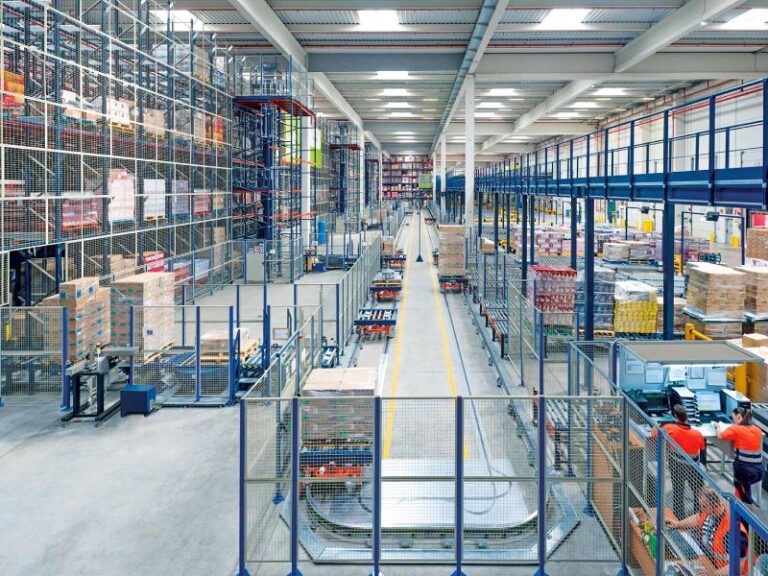
Automated Warehouses for Pallets
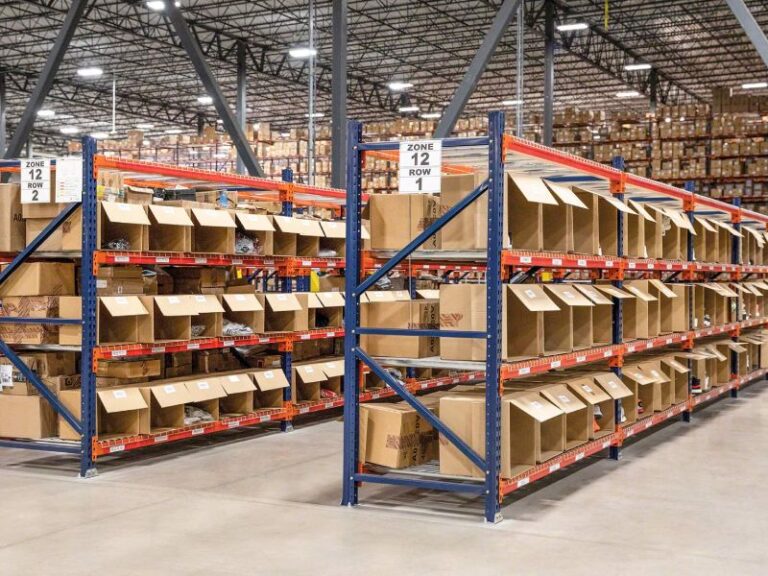
Picking
Picking
Picking
Other Systems
Other Systems
Other Systems
Other Systems